

Deferring Maintenance Is the Most Expensive Way to Save Money.
Every building has a list.
The roof that’s seen better days. The mechanical system that’s still running, although nobody’s quite sure how much longer. The repairs that have been discussed, estimated, and pushed into next year’s budget.
Sound familiar?
For the people responsible for keeping buildings operational, that list is rarely a surprise. They know what needs attention. The challenge is finding the money, the time, and the right moment to do something about it.
And sometimes, waiting feels like the responsible choice.
After all, if the roof isn’t leaking today and the heat is still working, what’s another year?
Potentially, a lot more than anyone budgeted for.
The Problem With Tomorrow
Buildings don’t recognize fiscal years. They don’t care when capital funding becomes available or how many other priorities are competing for attention.
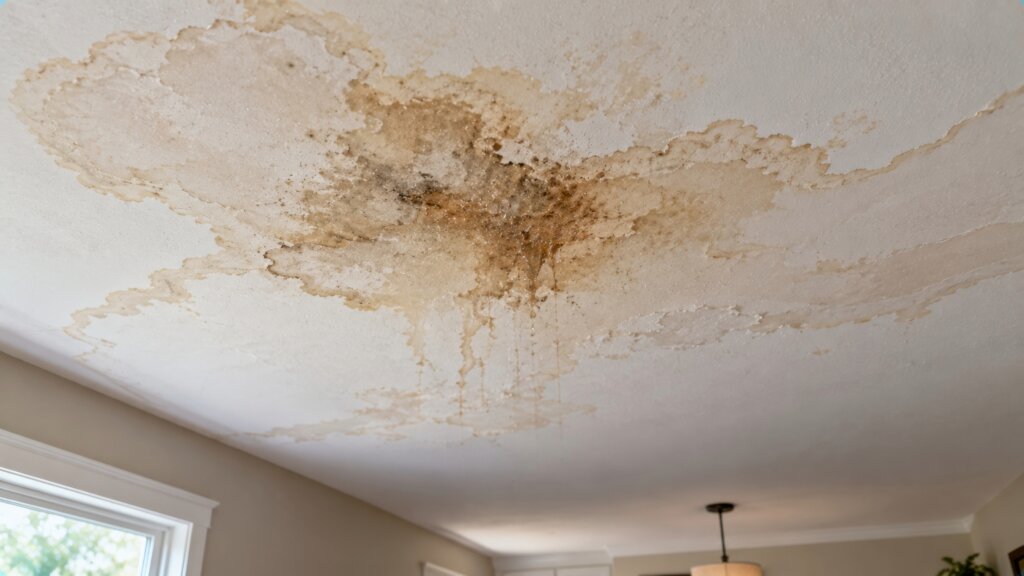
A small roof leak doesn’t always stay small. Water finds its way into insulation, ceilings, and structural components. What might have been a relatively straightforward repair becomes a larger undertaking involving multiple building systems.
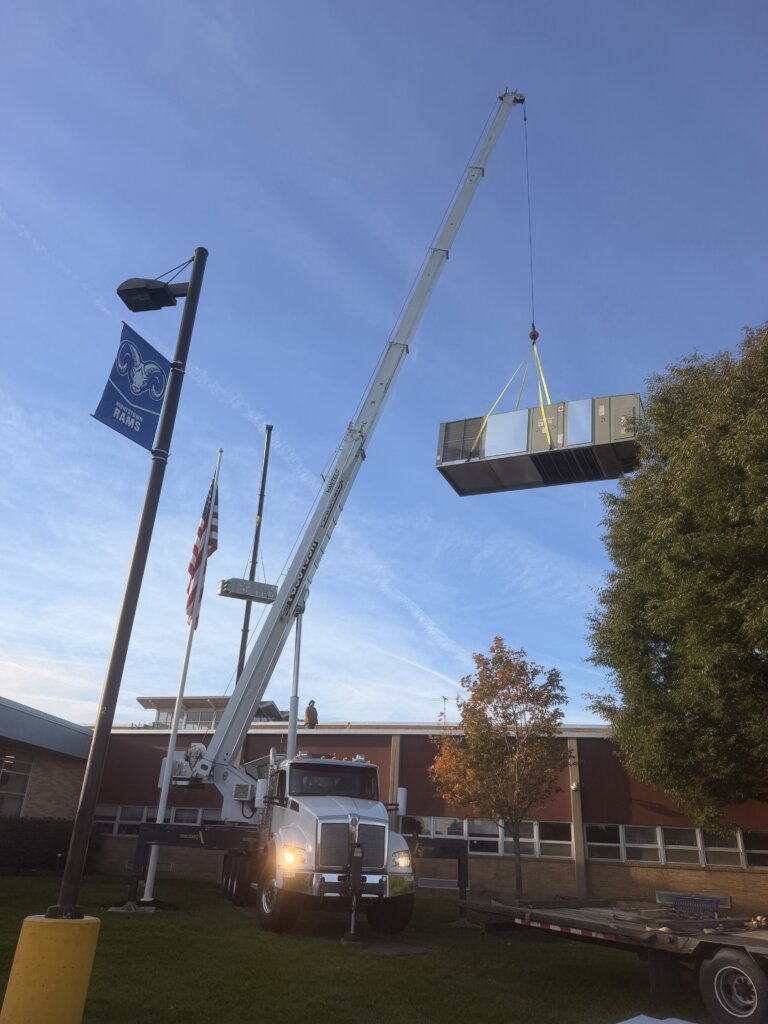
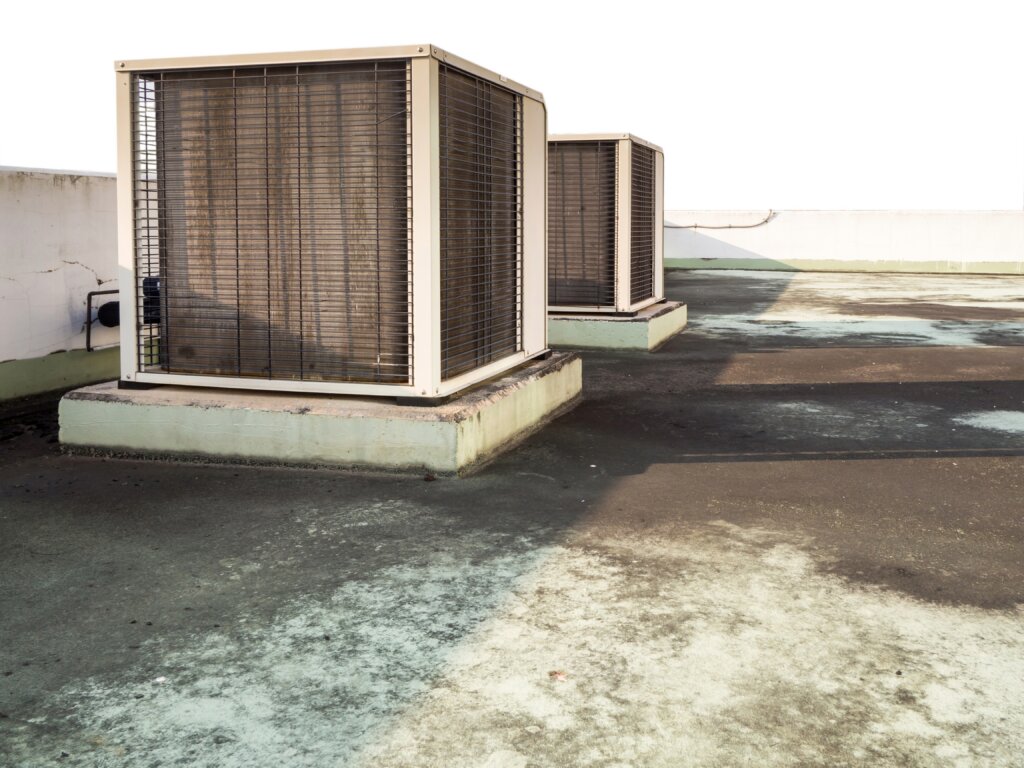
The same goes for aging mechanical equipment. A system that could have been replaced through a planned capital improvement may eventually fail during the hottest or coldest week of the year. Suddenly, the conversation isn’t about finding the most practical solution. It’s about getting the building operational again.
But here’s what’s important: Not every aging building component is an emergency waiting to happen.
Some repairs can wait. Others can’t. Knowing the difference is where the real value lies.
A List Isn’t a Plan
Most facility owners already have a sense of what needs attention. They hear it from maintenance staff, see it in annual inspections, and experience it when something stops working.
But knowing there’s a problem and understanding what to do about it are two different things.
What happens if a repair is postponed another year? Could addressing one system now prevent damage to another? Is replacement necessary, or could a targeted improvement extend its useful life?
These are the questions that turn maintenance from a recurring expense into a more informed investment.
And they’re not always questions an owner should answer alone.
Working with an architect and qualified engineering team can bring a different perspective to the conversation. A facility condition assessment can help identify deficiencies, evaluate risks, establish priorities, and develop a realistic path forward.
Not everything needs to be addressed at once. But understanding the consequences of waiting allows owners to make those decisions deliberately.

The Cost of Doing Nothing
There’s a reason deferred maintenance can become such a difficult cycle to break.
The longer improvements are postponed, the more likely it becomes that available funding will be spent responding to immediate problems rather than addressing long-term needs.
And when emergency repairs consume money intended for other improvements, the list doesn’t get shorter. It just gets rearranged.
Breaking that cycle doesn’t always require a larger budget. It requires a better process.
From List to Plan
We recently presented a session called Facilities List to Facilities Plan at the NJ School Boards Association Workshop. While the session was built for school board members, superintendents, business administrators, and facilities managers, the approach works for any organization responsible for buildings. It comes down to five steps.
- Know what you have. Start with an objective picture of your buildings. A facilities condition assessment documents each major system, its current condition, and its expected remaining life. That gives decisions a factual foundation, instead of relying on memory or the most urgent issue.
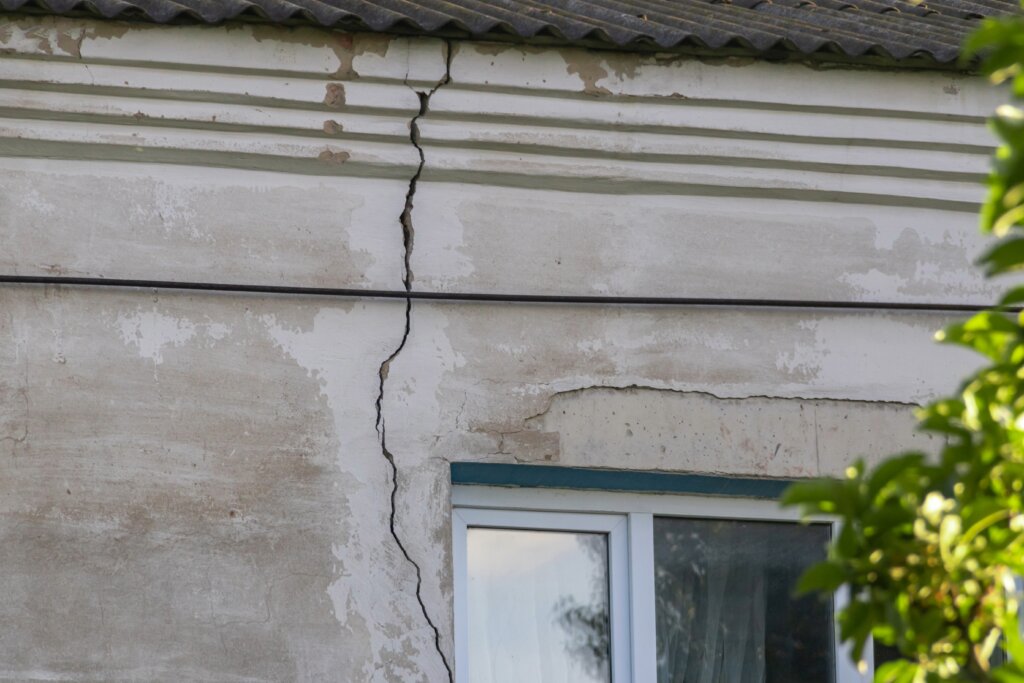
- Sort the list. Not every item belongs in the same category. Separate life-safety and code issues from work that protects the building envelope, work that keeps operations going, and improvements that support your mission or program. A leaking roof and a dated lobby may both be on the list, but they are not the same level of need.
- Score each item. Rank the items against the same criteria every time: the likelihood of failure, the consequence if it fails, the effect on other systems, and the cost of waiting. A consistent scoring method (one that works for your organization) makes priorities easier to explain and easier to defend when competing requests arise.
- Sequence the work. Group related projects and spread them across a realistic multiyear timeline. Replacing a roof before installing a new rooftop unit, or pairing ceiling work with lighting and HVAC upgrades, can avoid paying for the same work twice. A long list is like eating an elephant. It gets done one bite at a time.
- Tell the story. A plan only moves forward if the decisionmakers support it. Explain each priority in plain terms: what are you addressing, why now, what happens if we wait, and what will it cost. Boards and stakeholders are far more likely to fund a clear, phased plan than a long to do list.
Be Ready When the Funding Is
A prioritized plan has another advantage. Grant programs often open with short application windows. Owners who already have documented, ranked, and properly scoped projects can respond quickly. Owners who are working off a list often can’t.
A building will always need maintenance. What owners can control is when that work happens, how it is funded, and how much disruption it causes.
There’s a difference between choosing to wait and waiting without a plan. One is a decision.
The other can be the most expensive way to save money.