


Designing for Change Without Starting Over
Why Change is Needed
Designing for change doesn’t mean starting over. Across municipalities, school districts, and public institutions, many of the buildings in use today were designed for a different time, different expectations, and different ways of working. As communities grow, technology advances, and priorities shift, these spaces are being asked to do more than they were originally intended to support. Yet, full replacement is rarely practical, or necessary. The real challenge is finding thoughtful ways to adapt existing facilities, so they continue to serve their users effectively, efficiently, and well into the future.
Designing for change is less about reinvention and more about intention. So how do organizations move forward without starting over? By making thoughtful decisions that balance flexibility, performance, and how people actually use these spaces every day.
Working With What you Have
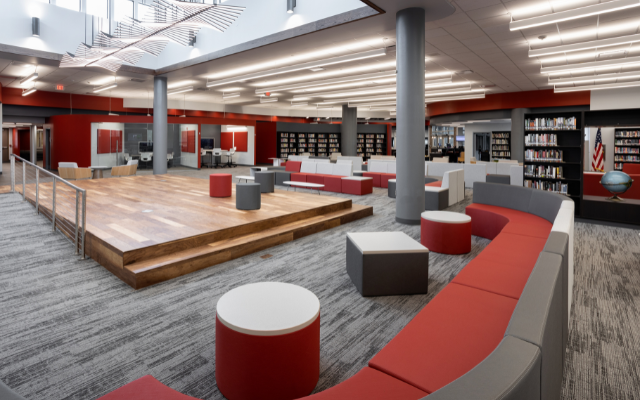
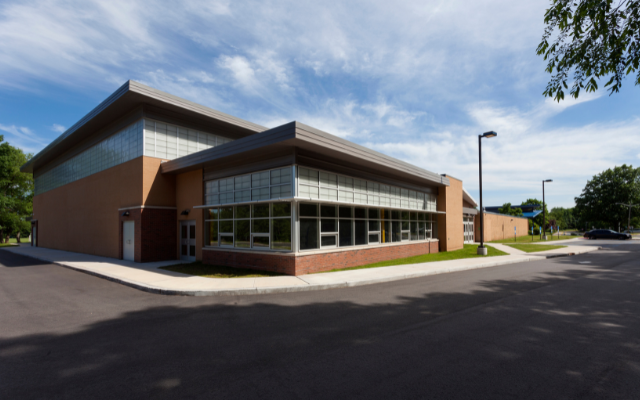
Some of the most effective design decisions come from taking a closer look at what’s already in place. Buildings come with real constraints (structure, systems, materials, and layouts), but those constraints can become opportunities when they’re approached thoughtfully. Instead of defaulting to replacement, focusing on understanding how a space is used today, where it’s falling short, and where small, intentional design moves make a meaningful difference. By leveraging existing infrastructure, rethinking layouts, and using adaptive strategies, you help expand the life of buildings while giving them the flexibility to evolve with the people and communities who rely on them.
Looking at the Full Picture
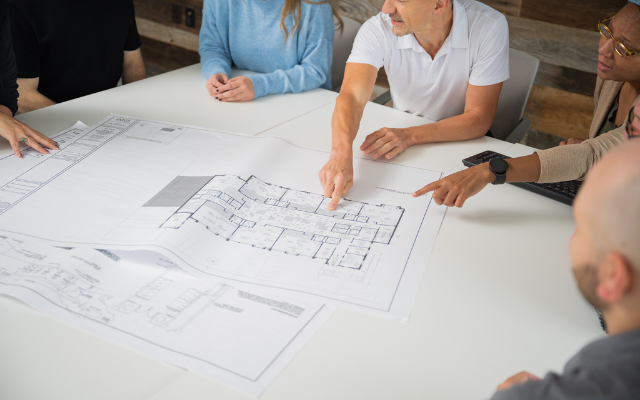
Before committing to a renovation or adaptive reuse strategy, it’s important to step back and fully understand the building, the site, and the long-term goals of the organization. Thoughtful due diligence helps answer key questions early: Does the existing structure truly support the future needs of the facility? Are there opportunities to reposition the building more effectively, or would a new construction provide a better long-term value? Sometimes adapting what’s already there makes the most sense. Other times, a deeper evaluation reveals that starting fresh may deliver a more efficient, longer-lasting solution for only a marginal increase in cost.
The key is not to look at a renovation in isolation, but to evaluate every option carefully, balancing cost, performance, longevity, and how well the facility will serve its users over time. This type of early evaluation often becomes the foundation for broader planning efforts, such as facility assessments or master planning initiatives that help organizations chart the best long-term path forward.
Designing for Long-term Performance
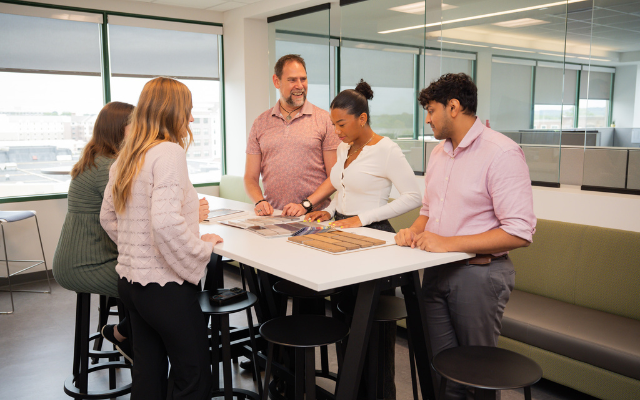
Making the most of what’s already there is only part of the equation, so what happens next? Technology and sustainability works best when they’re part of the conversation from the beginning, not added on at the end. The right systems should quietly support how a buildings operates, improving efficiency, comfort, and reliability without making things more complicated. Small decisions around energy use, building systems, and materials can make a big difference in how a space performs, and how well it holds up over time. When it makes sense, tools like LEED can help frame those conversations, giving them a clear way to think through priorities and measure performance, without losing sight of budgets, usability, or the realities or operating the space.
Experience, Identity, and People
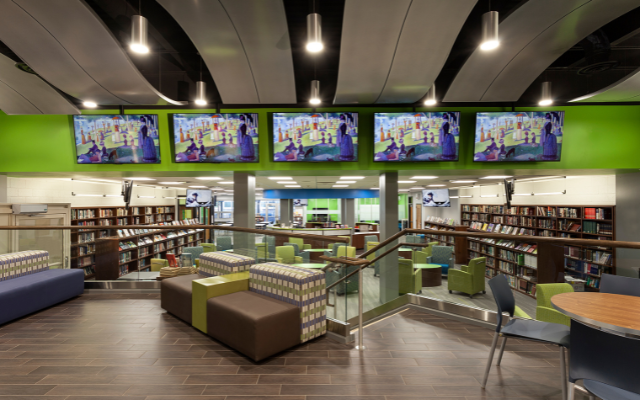
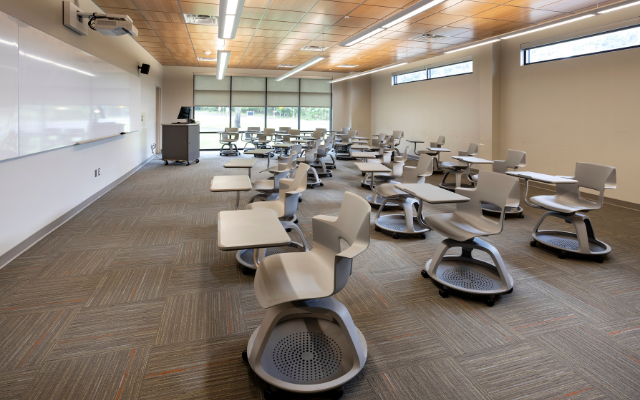
How a space feels and functions matters just as much as how it performs behind the scenes. Well-designed space supports the people who use them, making it easier to navigate, more comfortable to occupy, and more reflective of the communities they serve. Blending style with function isn’t about choosing one over the other, it’s about creating environments that are intuitive, accessible, and welcoming, while still meeting practical standards. When design is centered on real users and real experiences, spaces are better positioned to support both daily use and long-term change.
Planning for What Comes Next
At SSP, this way of thinking shapes how our team approaches every project. We work with clients as long-term partners, helping them plan for change in ways that are thoughtful, realistic, and grounded in how their buildings are used. Whether that means phasing improvements over time, prioritizing the right upgrades, or creating flexible designs that can adapt as needs evolve, our focus is always on building clear paths forward, without unnecessary disruptions. Designing for change doesn’t mean starting over; it means planning with intention and supporting our clients at every step along the way.
Let our team or architects help with your next design challenge.