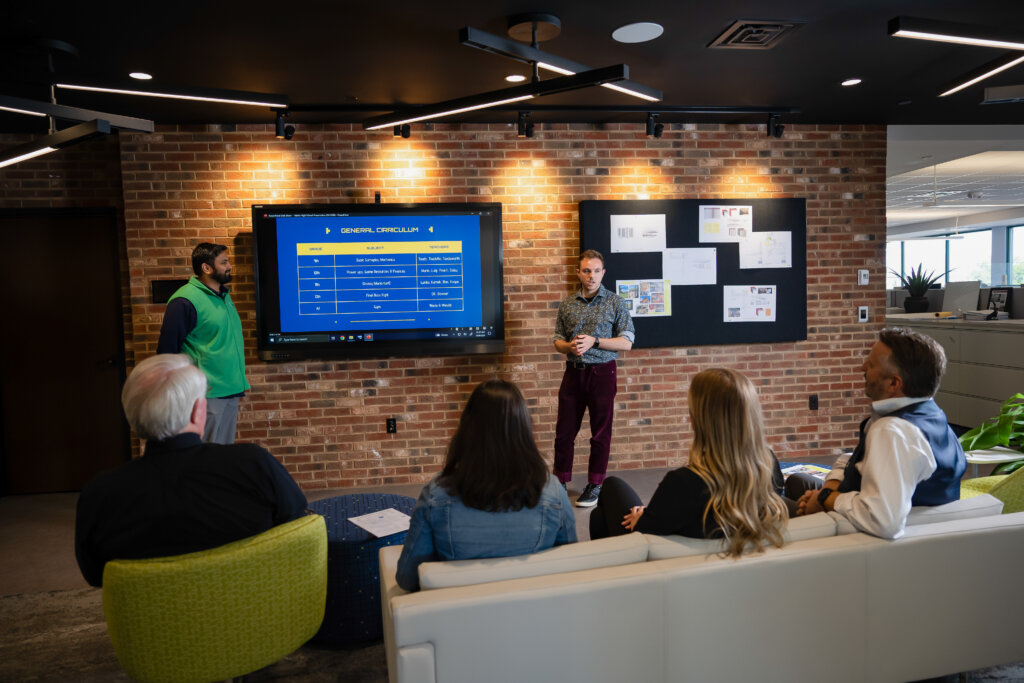


Architecture is learned in school. Becoming an architect takes a lot more people.
Every fall, architecture studios fill back up.
New projects begin. Ideas get pinned to walls. Critiques start again. And another group of students gets a little closer to figuring out what kind of architects they want to become.
Architecture school gives them a foundation. It teaches them how to think about space, solve problems, defend an idea and look at the built environment differently.
Then, eventually, they leave the studio. And a different kind of education begins.
Some Lessons Need a Job Site.
There are things you can understand perfectly on paper that feel entirely different when you’re standing in front of them.
A detail that seemed straightforward suddenly has a dozen conditions around it. An existing building refuses to match the drawings. Something hidden above a ceiling changes the plan. A contractor asks a question you hadn’t considered.
Those moments are part of becoming an architect.
So is walking a building with someone who has done it a hundred times and watching what they notice. Where they look first. What they question. What tells them there might be a larger issue hiding behind something small.
You can teach someone what to look for. Experience starts teaching them why.
Some Lessons Need a Seat at the Table.
The same thing happens away from the job site.
You can explain how a client meeting works. It’s different to be in one.
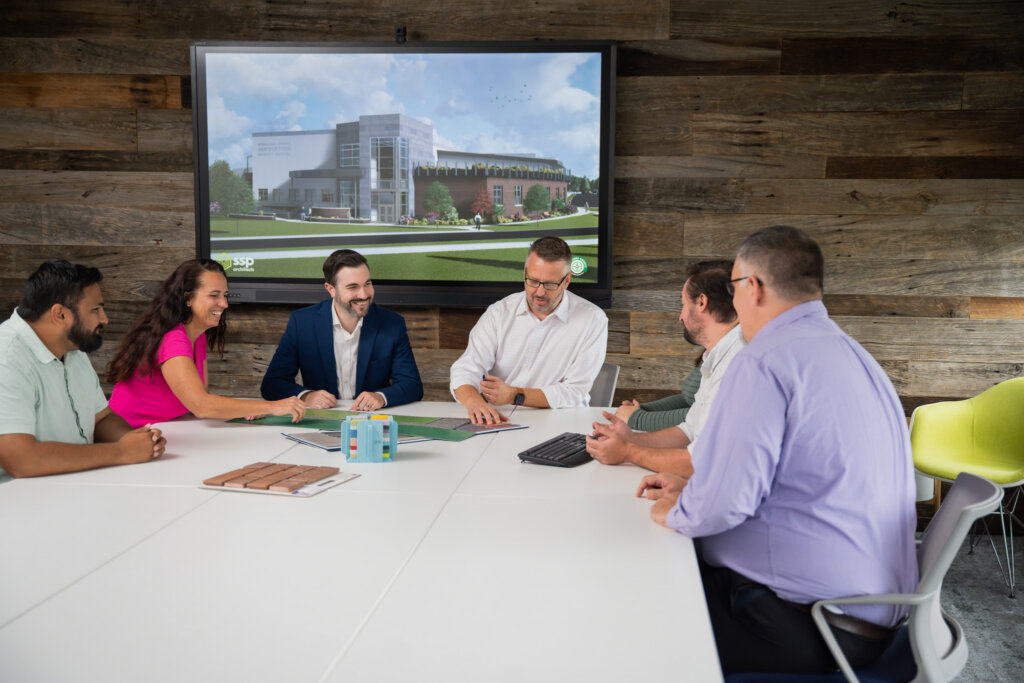
Sitting in the room means hearing how a superintendent talks about a school building that has to stay operational through construction. It means understanding why a facilities director is concerned about something that barely registers on a floor plan. It means watching a team work through competing priorities when there isn’t one obvious answer.
Those conversations provide context that can’t always be passed along afterward. That’s why developing young architects has to mean more than giving them work to complete.
Bring them into the meeting. Take them to the field. Let them hear the question before giving them the answer.
The more someone understands WHY a decision is made, the better prepared they are to make those decisions themselves someday.


Experience Only Matters if it Moves.
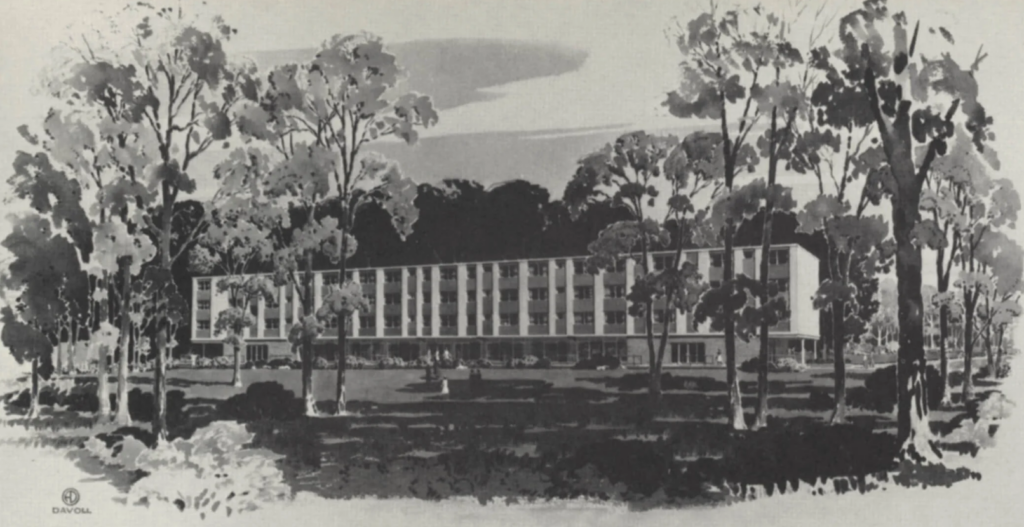
At SSP, we’ve been practicing architecture for 135 years.
That sounds like a lot of history. And it is. But the value of that history isn’t that we’ve accumulated 135 years of answers.
It’s that generations of architects have had the opportunity to learn from the people that came before them, apply those lessons to a changing world and eventually pass what they’ve learned to someone else.
The way architects work has changed enormously during that time. We’ve written before about how the tools of the profession continue to evolve, and they will. New technology will change parts of the process again. But knowledge has always moved through architecture in a much more human way.
Someone shows you. Someone explains why. Eventually, you’re the person doing the showing.
The Teaching Goes Both Ways.
That doesn’t mean the next generation’s job is to learn how architecture has always been practiced and repeat it.
It’s actually the opposite.
Every new generation enters the profession with its own perspective. They ask different questions. They’re comfortable with different technology. They challenge assumptions that may have gone unquestioned for years.
That’s the part of what keeps a practice moving. Experience can offer context for why something has been done a certain way. A fresh perspective can ask whether it still should be.
The best learning happens somewhere between those two things. A young architect gets the benefit of experience without being limited by it. An experienced architect gets the benefit of a new perspective without having to abandon everything experience has taught them.
Both leave the conversation knowing something they didn’t before.
Make Room at the Table.
Every fall, another group of architecture students returns to the studio.
Before long, they’ll leave it. They’ll bring what they learned in school, the influence of professors and classmates who challenged their thinking, and their own ideas about what architecture can become.
Then it’s our turn. Not to hand them a finished version of the profession and ask them to fit into it. But to bring them into the conversations, onto the job sites and around the tables where they’ll gain the experience to help shape what ever comes next.
Architecture is learned in school. Becoming an architect takes a lot more people.
And every generation has a role in making room for the one coming next.