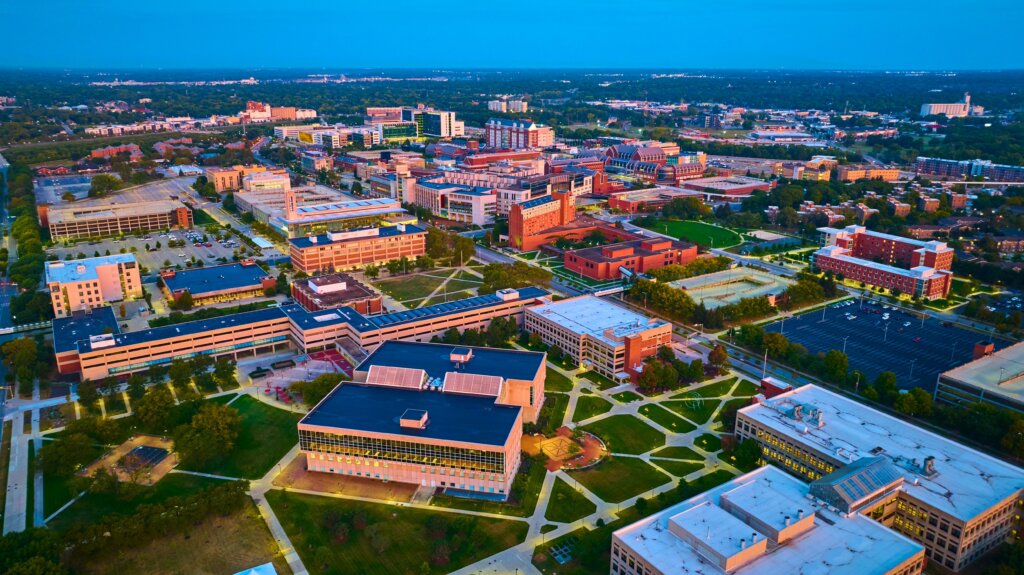


We Built Campuses for Connection. Then We Made Showing Up Optional.
College Has Never Been More Connected.
Across college campuses, cars are packed to the roof. Parents are carrying mini-fridges up stairwells. Roommates are meeting; some for the first time. Campuses are coming back to life.
But the students arriving this fall are stepping onto a very different campus than the generations before them.
Their schedules are on their phones. Assignments are online. Lectures are recorded. Friends are a text or DM away. A group project can happen without the group ever sitting around the same table.
And none of this started with AI.
For decades, online education has shown just how much a college education can happen without everyone sharing a classroom – or even a campus. That shift created flexibility and expanded access.
But it has also taught us something: access to an education and feeling connected to one are not the same thing.
Researchers have been studying that distinction for years. A systematic review found online learning linked to loneliness, isolation, and social and psychological distance.
Read the systematic review on student connectedness and remote learning.
Then AI raised the stakes.
When a student doesn’t understand something, they don’t have to raise their hand anymore. AI can explain the concept, summarize the reading, help work through the problem, or answer the question before they’ve considered asking the person next to them.
And students are already using it. A 2026 study of more than 8,000 students across four Australian universities found more than 80% had already used generative AI for study-related tasks.
Read the 2026 study in Computers and Education Open.
Technology has made higher education more flexible and put an extraordinary amount of information within reach. It can remove barriers.
The goal shouldn’t be to undo any of that. But every time we make something easier to do alone, it’s worth asking what used to happen when we had to do it together: the walk across campus to work through a problem, the conversations before class started, the group that stayed at the table after the project was technically finished.
None of those moments were remarkable. Until you start removing them.
College has never been more connected.
Maybe the more important question is whether students still feel connected to each other.
We Removed the Friction
Convenience is usually the goal.
Nobody misses waiting in line to register for classes, or walking across campus to find an office already closed.
Technology saved a lot of the little problems.
But some of those little problems used to require another person. You asked someone where a classroom was, stopped by a professor’s office with a question, or wandered into the library and ended up seeing people you knew.
None of those interactions were the reason someone went to college, but taken together, they were part of what made college feel like a place you belonged.
That distinction mattered.
A national study of first-year college students found that a stronger sense of belonging was tied to outcomes colleges care about most: persistence, engagement, and mental health.
Read College Students’ Sense of Belonging: A National Perspective.
Belonging isn’t just a nice addition to college. It’s part of the experience. Yet, many of the small interactions that once happened automatically now compete with an easier option.
Why ask the person next to you when you can search for the answer? Why meet at the library when everyone can work in the same shared document from somewhere else?
None of those choices are inherently bad. But collectively, they raise a real question: What happens when the interactions that once occurred by necessity have to happen by choice?
Removing the friction doesn’t remove the need for connection. It just means connection needs a little more help finding its place.


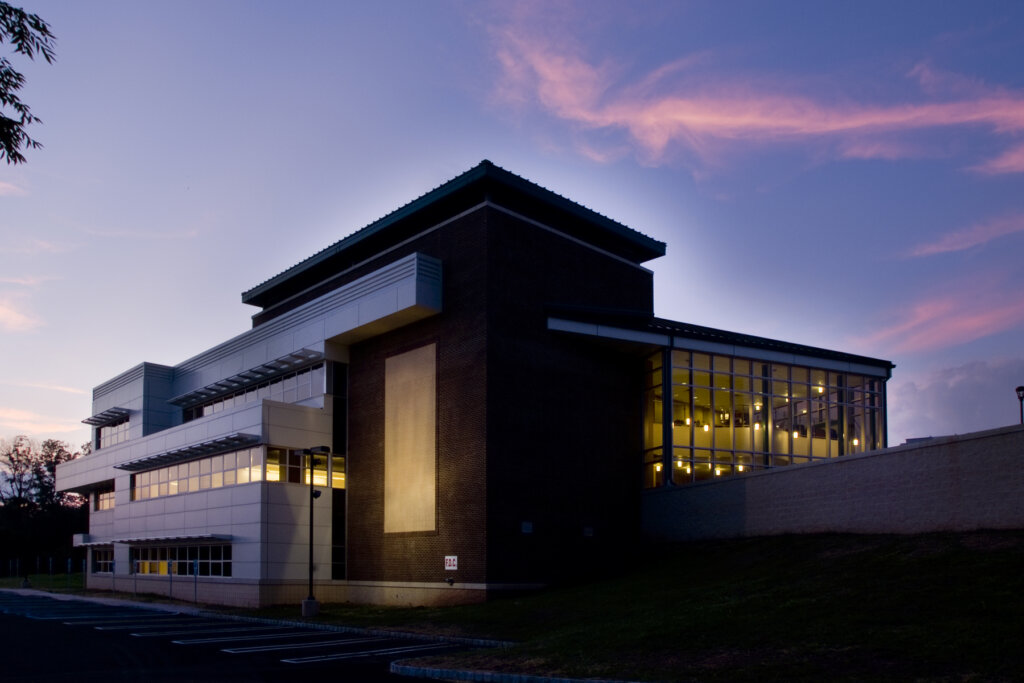
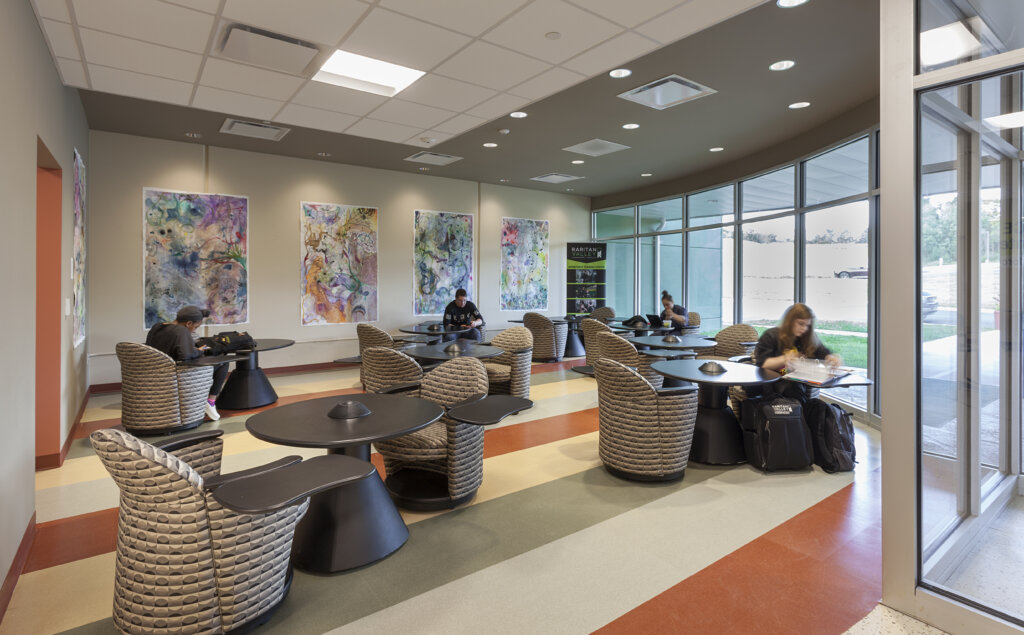
Belonging is Wellness
When we talk about wellness on a college campus, certain things naturally come to mind.
Counseling services. Recreation centers. Healthy food. Outdoor space. Places to recharge.
All of those things matter. But wellness is also social.
It’s having somewhere you feel comfortable sitting down. Knowing where people gather between classes. Having a reason to stay instead of heading straight home or to your dorm.
It’s feeling like you’re part of the place, rather than someone who attends it.
A systematic review and meta-analysis examining university belonging found a meaningful positive relationship between students’ sense of belonging and their well-being. More recent research examining more than 30,000 students across 56 studies found a consistent relationship in other direction: as belonging decreases, loneliness tends to increase.
Read the research on university belonging and student well-being.
Read the 2026 meta-analysis on belonging and loneliness.
That’s why the conversation about student wellness can’t only be about the resources available when someone is struggling. It also has to include the everyday environments students experience before they ever need those resources.
The places they spend ten minutes. The places where they spend the afternoon. The places where they see the same people again and again.
Sometimes wellness begins by feeling like there is somewhere you belong.
Belonging Needs a Place.
Belonging isn’t just a nice addition to the college experience. Increasingly, research connects it to something much stronger: student wellness.
So when we talk about wellness on a college campus, the conversation can’t only consist of the services offered to students, it also has to include the campus itself. Because belonging has to happen somewhere.
For generations, the physical campus has provided countless opportunities for connection almost by default. Students crossed paths walking to class. They gathered in food halls. They stayed after lectures. They found a bench, a lobby, a courtyard, or a corner of the student center and made it theirs.
If technology gives students fewer reasons to leave their rooms, fewer reasons to stay between classes, and fewer reasons to ask for help, then the physical campus has to give them something technology can’t.
A reason to be there.
And that changes the architectural question. A classroom can’t only be where information is delivered when information is everywhere. A library can’t be a place where information is stored when an entire library fits in a pocket. A student center can’t just be a collection of programmed rooms and expect community to happen between them.
The question for campus design is becoming much more human: how do we create a space where people actually want to be around each other?
Architecture Can Create Belonging.
An architect can’t design a friendship.
We can’t draw community into a floor plan or guarantee that a few comfortable chairs in a lobby will suddenly make strangers start talking.
BUT, architecture creates the conditions for those interactions to happen. That’s not nothing – that’s the job.
A 2026 study of 828 students at two U.S. universities linked comfortable seating, walkability, and greenery to lower loneliness through stronger social relationships, safety, and a better sense of surroundings.
In other words, the physical environment matters.
Read the 2026 Health and Place study on campus design and student loneliness.
A hallway can just move people from Point A to Point B, or it can give someone a reason to stop. A staircase can connect two floors, or it can become somewhere to sit between classes.
None of these decisions creates a community on its own. They create possibility.
And as technology removes more of the interactions that used to happen out of necessity, that possibility matters more, not less. If students HAVE to go to the library, the library has to give them a reason to want to go.
The future of campus design isn’t only about creating places where students can do what they need to do. It’s about creating places where they actually want to be while they’re doing it.
The Spaces Between the Spaces.
When we design a college campus, it’s easy to focus on the designations.
The classroom. The lab. The library. The dining hall. The student center.
But some of the most important moments on campus happen on the where to somewhere else.
The lobby outside a lecture hall. The wide spot in a corridor where someone stops to finish a conversation. The table outside the café that becomes the table for the semester.
These aren’t necessarily spaces students came to campus to use. They’re the places they discover once they’re there. And that’s what makes them valuable.
Good campus planning considers more than where people need to go. It considers what happens along the way: where paths cross, where someone might stop, and where being around other people feels natural rather than forces.
Because community doesn’t need a room with a sign on the door. Sometimes it needs a place to happen.
The Campus AI Can’t Replace
AI isn’t going away. Neither are online learning, digital resources, recorded lectures, group chats, or any of the tools that have made college more flexible and accessible.
Nor should they.
The question isn’t how we design campuses that compete with technology. It’s how we design campuses for the things technology can’t replace.
The stadiums filled with dedicated fans. The conversation after class that lasts longer than expected. Your friends meeting up at the student center.
The feeling that when you walk across campus, you’re part of something around you.
Technology can make college more convenient. AI can make information easier to access. Neither has to come at the expense of community.
But community needs opportunities to being. That’s where the physical campus still has an important job to do.
As higher education becomes increasingly digital, the buildings and spaces students share become increasingly human – designed not only around where students need to go, but around where they’ll want to stay.
The more digital college becomes, the more important it is to design places worth showing up for.