


The sketch comes last
Before the first line
Before a building is drawn, it’s imagined.
Not imagined in the way most people think, through sketches on tracing paper or renderings on a screen, but through conversations. Questions. Observations.
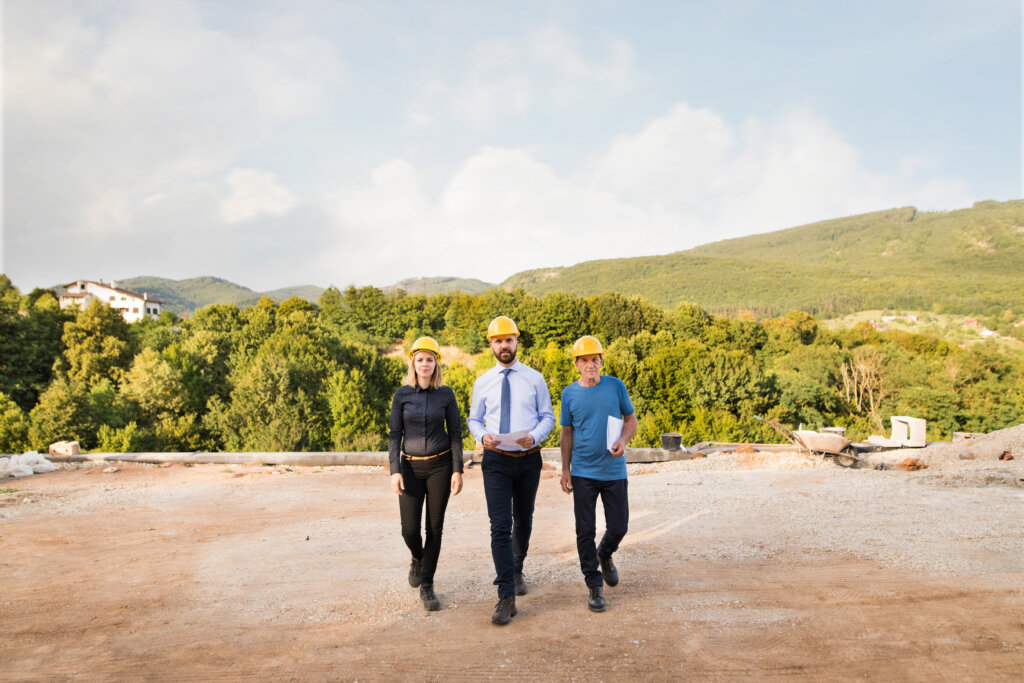
An architect walks on a site or through a space and notices things others might overlook. The natural pathway everyone uses. The chair that no one chooses to sit in. The conference room that’s always booked. The classroom where students naturally gather near the windows.
Long before a line is drawn, the design process has already begun.
Because architecture is not just about buildings.
It’s about people.
Seeing What Others Miss
When they work well, people rarely think about the spaces they move through every day.
They just use them.
They find a seat in a waiting room. Gather around a table. Choose a familiar path through campus. Settle into a corner of a room that somehow feels more comfortable than the rest.
Most of these decisions happen without thought. Yet everyone of them reveals something.
They expose how people interact. How they collaborate. Where they feel comfortable. Where they feel distracted. What works naturally and what reflects effort.
This is why architects spend so much time observing before they design.
Not because they are looking at walls, furniture, or floor plans (though, that’s partly true).
We’re looking at people.
The spaces we create shape the experiences we have every day. To design well, you first have to understand those experiences.


When possibility begins to take shape
This is where the process begins to change.
The observations are no longer observations. Patterns start to emerge.
The hallway that always feels crowded. The corner where people naturally gather. The room that never seems to be used the way it was intended. The places people return to again and again in conversation.
Individually, these are all small moments. Together, they begin to reveal something larger.
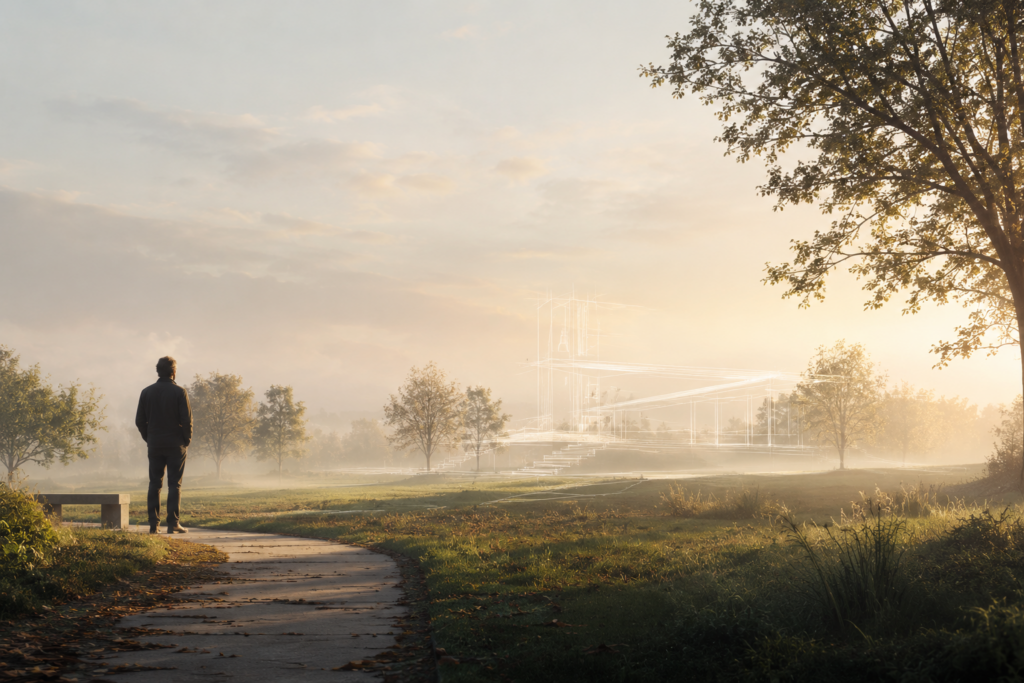
This is where architects start to see possibility.
Most people experience a space exactly as it exists today. Architects are trained to look beyond what is there and imagine what could be. Not because they have all the answers, but because they have learned how to connect the pieces.
A challenge becomes an opportunity. An observation becomes an idea. A collection of conversations begins to form a direction.
The future starts to take shape long before it can be seen.
While that future may eventually be communicated through drawings, renderings, and floor plans, those tools are not the beginning of the process.
They’re the result of it.
when an idea finds direction
Every design begins as a collection of incomplete thoughts.
A comment made during a meeting. A challenge someone has learned to work around. A space that feels too crowded, too distracted, too inflexible, or is no longer aligned with the people who use it.
On their own, these observations rarely point to a solution. They are fragments, small pieces of a larger story that has yet to reveal itself.
But we must resist the temptation to rush a solution. First, we need to understand the problem.
This is often the part of the process that surprises people.
Many assume design begins with inspiration and that a concept appears fully formed on its way to paper. In reality, good design is often the result of patience. It requires sitting with ideas long enough to understand how they connect, where they conflict, and what they are ultimately trying to become. They need to incubate.
Over time, a direction begins to emerge.
The conversation becomes clearer. Priorities become easier to identify. The possibilities that once seemed endless, begin to narrow into something purposeful.
What was once a collection of observations becomes an idea.
And what was once an idea begins to take to take shape.
Not as a drawing. But as a vision. A picture that does not currently exist, but could.
This is the moment architects find themselves returning to, the moment when possibility becomes intention. When a challenge stops being something to solve and becomes an opportunity to create something better.
Because at its core, architecture is an act of optimism.
It is the belief that the environments we inhabit can be improved. That a better experience can be created. That an idea can move beyond conversation and become something people can see, touch, and experience for themselves.
Long before the sketch appears, that belief is already taking shape.

The sketch comes last
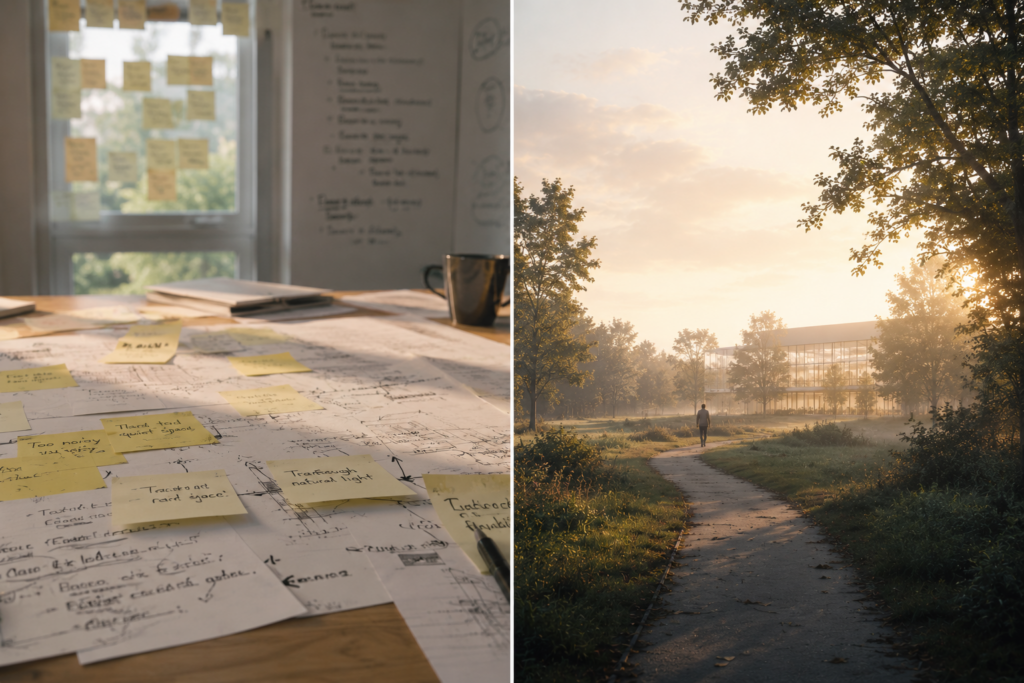
By the time an architect begins sketching, the work is already well underway.
The observations have been made. The questions have been asked. The conversations have been made. The challenges, opportunities, and priorities have been explored from all angles.
What appears on paper is not the beginning of the process.
It is the translation of it.
The sketch is just the first visible expression of hundreds of invisible decisions. It’s where ideas become tangible. Where the possibilities begin to take form. Where something that once only existed in conversation, can finally be shared with others.
THIS. This is why architects sketch.
Not because drawing is the goal, but because it allows people to see what has previously existed only in thought. A sketch invites discussion, sparks new ideas, and challenges assumptions. It creates something that others can react to, improve upon, and help shape. Turning imagination into collaboration. That may be the most important part of the design process.
Architecture has never been about creating drawings. It’s always been about creating understanding.
Long before the first line is drawn, the work has already begun, and long after the sketch is complete, the work continues.
Because architecture is not about paper, buildings, or even design itself. It’s about taking an idea, something that only exists in the minds of few, and helping bring it into the world where everyone can experience it.
That’s why the sketch comes last.
(At least until it’s time to take the design to the next level).