


From Band-Aids to Blueprints: How Architects Help Tackle Deferred Maintenance
A small leak turns into a ceiling stain. A piece of equipment works…until it doesn’t. A quick fix gets you through the year, then somehow becomes the long-term solution.
If this sounds familiar, you aren’t alone. Many schools, campuses, and even healthcare facilities are doing the best they can with the buildings they have, patching problems as they appear and hoping the next issue isn’t more disruptive (or more expensive than the last).
Over time, these short-term fixes add up. Budgets get tighter, systems age faster, and it becomes harder to tell which issues need attention now, and which ones can wait. That’s when deferred maintenance stops being a facilities issue and starts becoming a planning challenge.
At some point, organizations reach a crossroads. Do you keep reacting to problems as they show up, or do you step back and look at the bigger picture?
This is where architects can make the real difference. Rather than focusing on one repair at a time, architects help organizations understand why issues keep happening, and what it will take to fix them for good. It’s the shift from applying band-aids to creating blueprints: moving from short-term fixes to a clear, long-term plan for how a facility should function, perform, and grow.


Turning Maintenance Into a Strategy
Deferred maintenance often feels overwhelming because it tackles one issue at a time. A roof here, a mechanical system there, a renovation squeezed in wherever funding allows. While each fix may be necessary, addressing problems in isolations makes it difficult to see how one decision affects the next.
That’s where commercial architects can help shift the approach, by looking at facilities as a whole rather than one issue at a time. Instead of asking “What needs to be fixed right now?” they help organizations ask, “What does the building need to support over the next several years?”
Through thoughtful facility assessments and long-term planning, maintenance becomes part of a larger strategy, one that balances immediate needs with future goals. This approach helps facilities prioritize their investments, reduce surprises, and make decisions with confidence rather than urgency.
Understanding What Your Building Is Telling you
When you really look at a building, it can tell you more than you might expect. Sometimes, the signs are obvious, a visible crack, a leak that keeps coming back, a system that never quite works the way it should. Other times, the clues show up in patterns, like fixing the same issue over and over again.
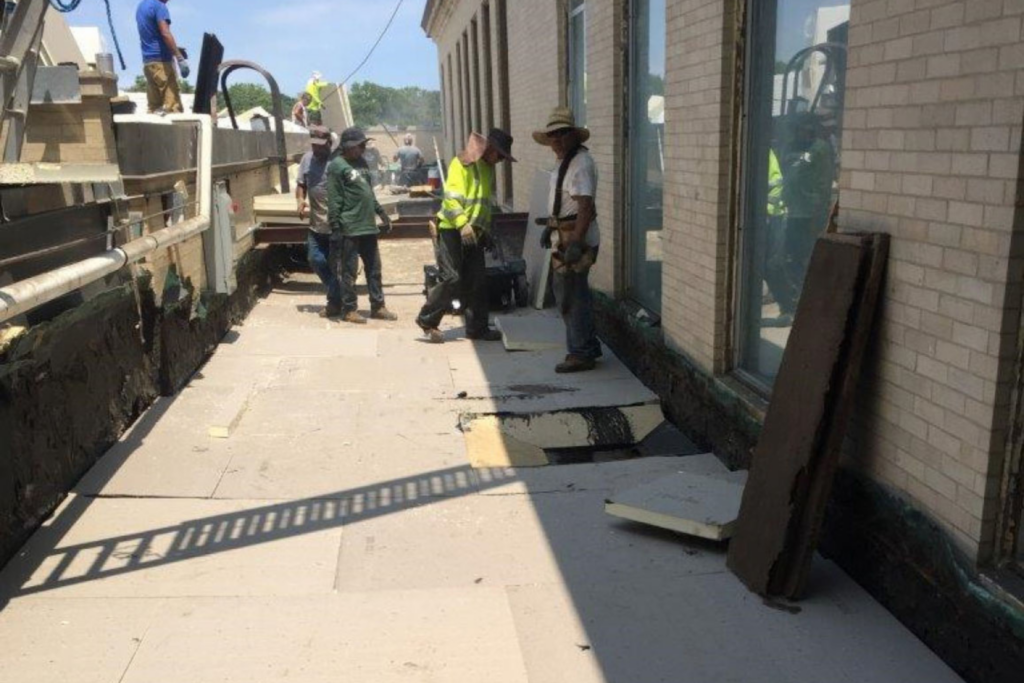
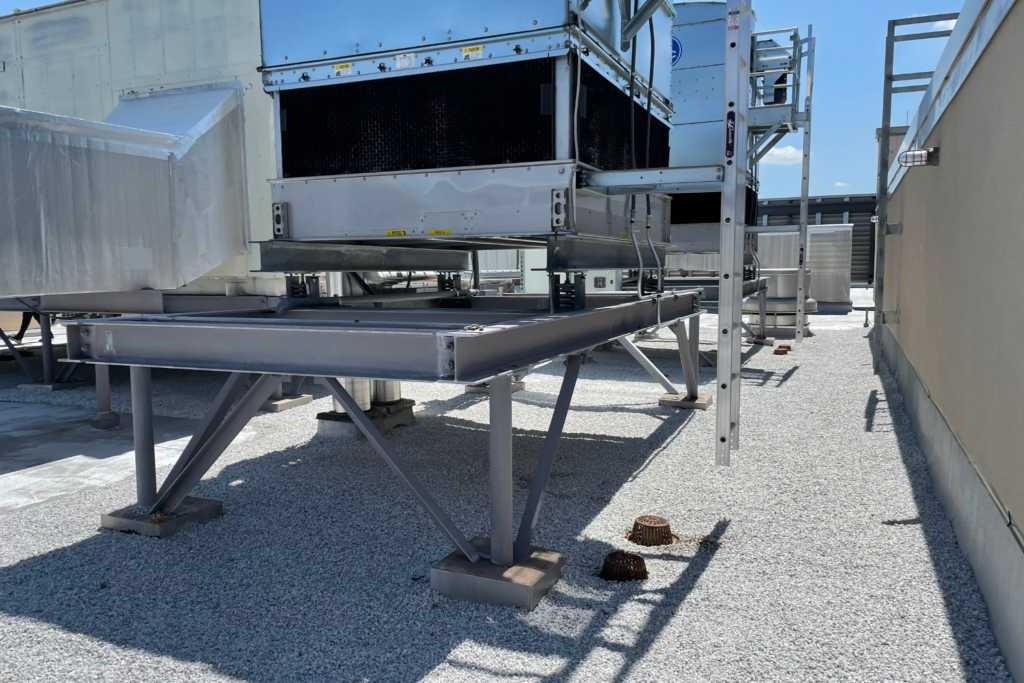
This is where architects come in, not to jump straight to design, but to listen, observe, and assess. By working alongside facility teams, architects evaluate building systems like the building envelope (walls, windows, roofs), HVAC, electrical, and life safety as part of a broader picture. The goal isn’t to focus on one failing component, but to understand how systems interact, where strain is occurring, and which issues are just symptoms of a deeper root cause.
At SSP Architects, this collaborative approach guides our facility condition assessments for organizations across New Jersey. By combining on-site evaluations with historical maintenance data, we help clients identify where targeted repairs make sense, and where replacement or long-term planning will deliver better results.
When Repair is No Longer Needed
Repairs are often the right first step. They extend the life of a system, control costs, and keep buildings operating day to day. But over time, even the best-maintained systems reach a point where repairs stop delivering real value.
In many facilities, the bigger issue isn’t a single breakdown, but the wear that comes from constant intervention. Frequent repairs can disrupt daily operations, drive up costs, and still leave performance feeling unreliable. Over time, “keeping things running” can quietly become more expensive than addressing the problem in a more lasting way.
Recognizing when repairs are no longer enough allows organizations to plan proactively rather than react in emergencies. Instead of responding to the next failure, facility leaders can look ahead, evaluating long-term costs, safety, and performance, and make decisions that reduce risk and create stability.
From Short-Term Fixes to Long-Term Confidence
Deferred maintenance doesn’t happen overnight, and it isn’t solved by a single project. It’s the result of years of necessary decisions made under pressure, and it requires the same care and intention to address.
Moving from quick fixes to long-term plan gives organizations clarity. it turns maintenance into strategy, replaces uncertainty with confidence, and allows facility leaders to invest wisely in the future of their buildings. With the right approach, deferred maintenance becomes less about catching up, and more about moving forward.
Deferred maintenance doesn’t have to stay reactive. If you’re ready to explore a more strategic approach, SSP Architects is here to help guide the process.