


Designing Within Limits: How Architects Stretch Every Dollar Through Smart Planning
By SSP Architects
Budgeting for a new project can feel overwhelming, but it doesn’t have to be. Many people, school boards, and municipalities assume that only a large budget can deliver the results they envision – but that’s not always true. Effective budgeting does require thoughtful conversations, evaluating priorities, and strategic planning, of course. But with the right approach, even a modest budget can be transformed into a project that feels intentional, functional, and tailored to the community it serves.
Setting a realistic budget, and committing to it, is one of the most important steps before you begin even thinking about the details of your project. Clarifying your needs, wants, and long-term goals helps establish a starting point. Being transparent with your architect is equally essential; sharing your budget and project expectations upfront gives them the framework they need to guide you effectively.
Many organizations assume that presenting a large budget means every dollar will be spent. That’s not the case. Budgets are flexible tools that can shift as project goals evolve, and a thoughtful planning process often reveals opportunities to redirect or even reduce anticipated costs.
Let’s look at strategies that help establish a realistic budget and make the most of your dollar.
Assessments & Long-Term Planning
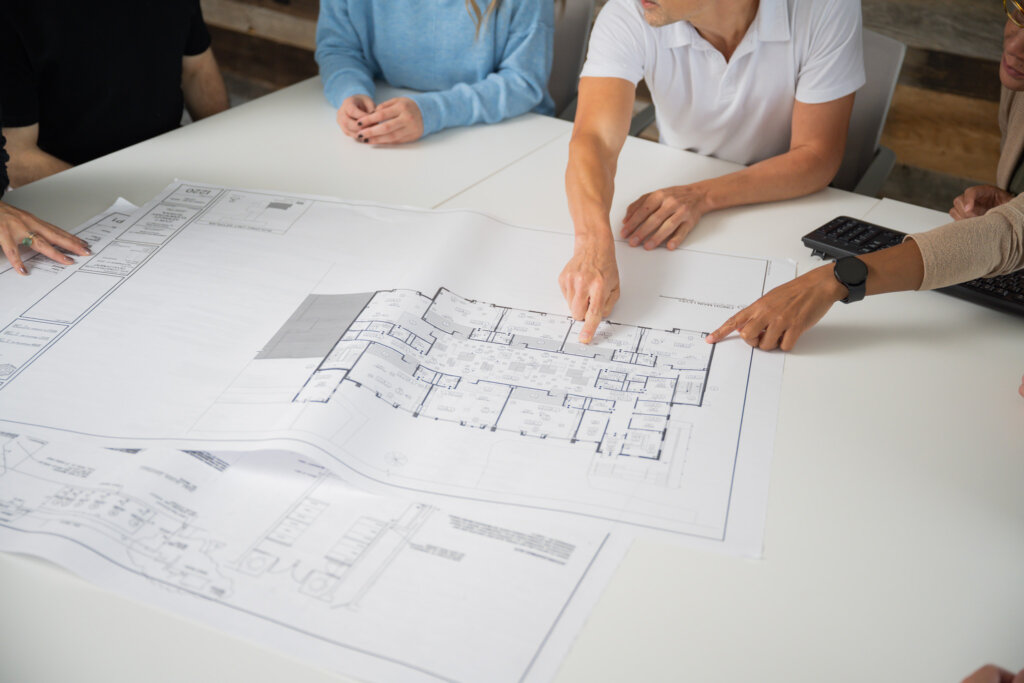
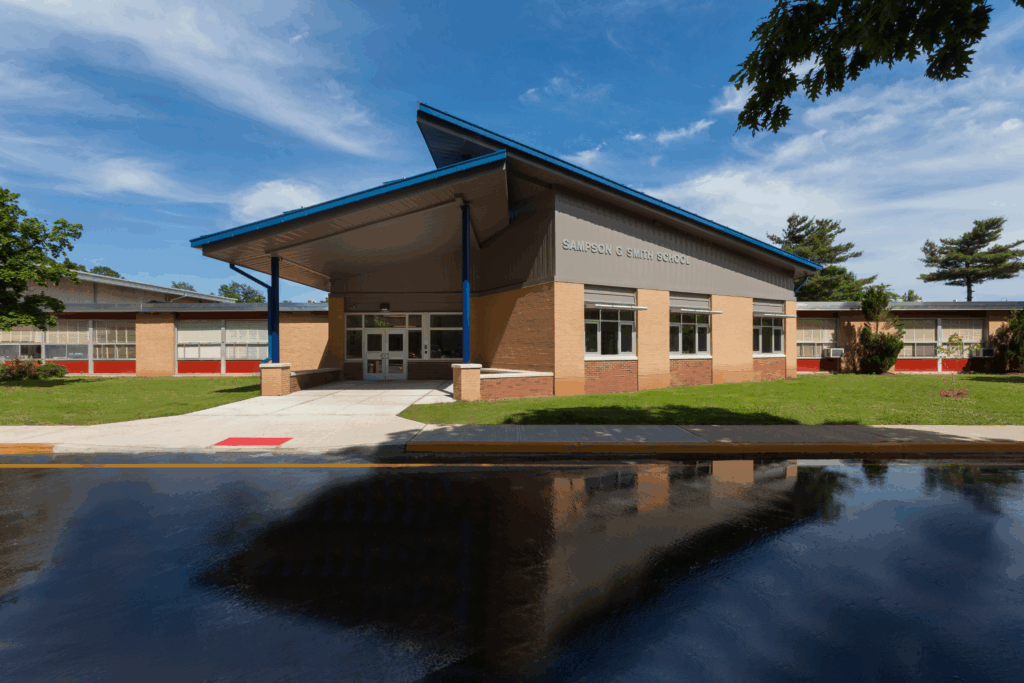
Deciding which projects matter most can feel overwhelming. You may have a long list of improvements you’d like to see, but that doesn’t mean everything needs to happen at once. While updating the look of an existing building might be appealing, the more immediate need for your community could be something else entirely, like expanding a playground as more families move into the area or replacing the boilers to save money on energy costs.
This early assessment phase is one of the most important parts of the process. It’s where we step back and take an honest look at how your spaces are being used and how the systems are performing. We identify what’s working and where challenges exist. From there, we help distinguish between what’s essential now and what can be thoughtfully phased in over time, considering not just appearance and immediate satisfaction, but function, safety, and long-term performance.
That assessment naturally leads into long-term planning. With a clear understanding of priorities, a master plan begins to take shape – one that aligns individual project with a shared vision. Looking at planning, design, and construction together helps avoid redundant work, reduce delays, and make better use of available resources.
Every project has value, but thoughtful planning helps guide where your budget will have the greatest impact today while keeping future improvements in sight. The result is a clear roadmap that supports informed decision-making, keeps projects accountable, and ensures each investment contributes meaningfully to the bigger picture.
To learn more about what goes into a facilities assessment, explore our blog Which Project First: What You Should Look For in a Facilities Master Plan?
Cost-Benefit Analysis
Now that we’ve identified which projects need attention first and established a realistic budget, the next step is to understand the cost-benefit. Taking a close look at what each project gives you in return – whether it’s improved safety, long-term savings, or compliance with updated codes – plays a huge role in making smart decision.
A cost-benefit analysis helps highlight which improvements deliver the highest impact while addressing the not immediate needs. Sometimes that means prioritizing upgrades that bring a building up to current regulations. Other times, it’s enhancements that support growth, create better users experience, or simply align more clearly with your long-term vision. The goal is to make sure each dollar you invest is working toward something meaningful and measurable.
As architects, this is where we really partner with our clients. We walk through the options together, explain how different choices affect both the present and the future, and offer creative ways to get the most out of your budget. It’s not just about cutting costs, it’s about spending wisely, maximizing value, and making sure your investment supports the goals that matter most.

Phased Implementation
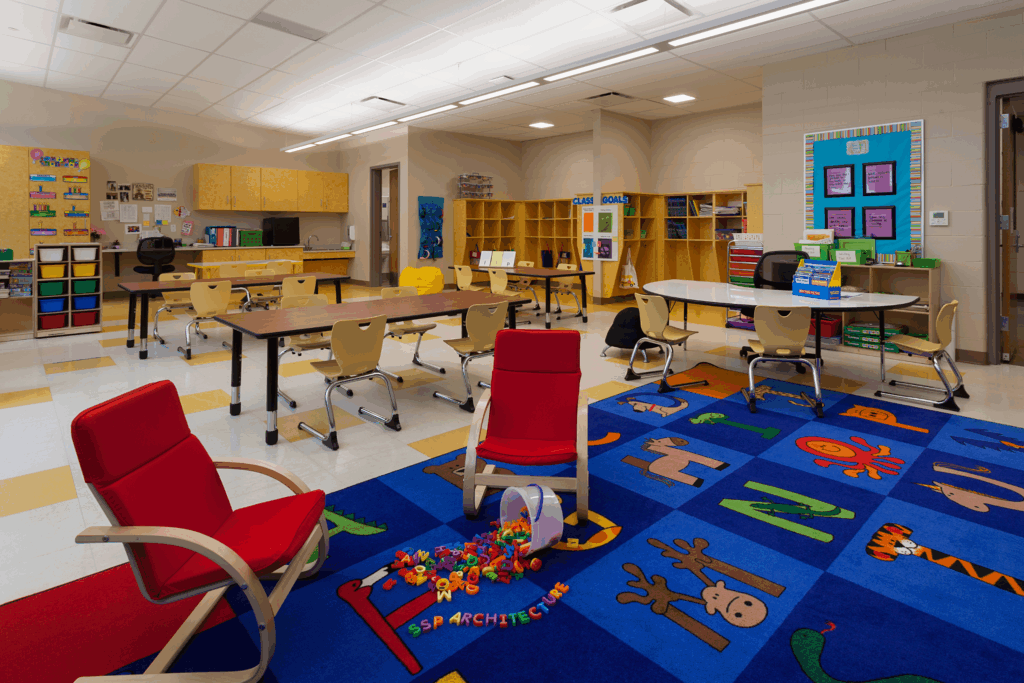
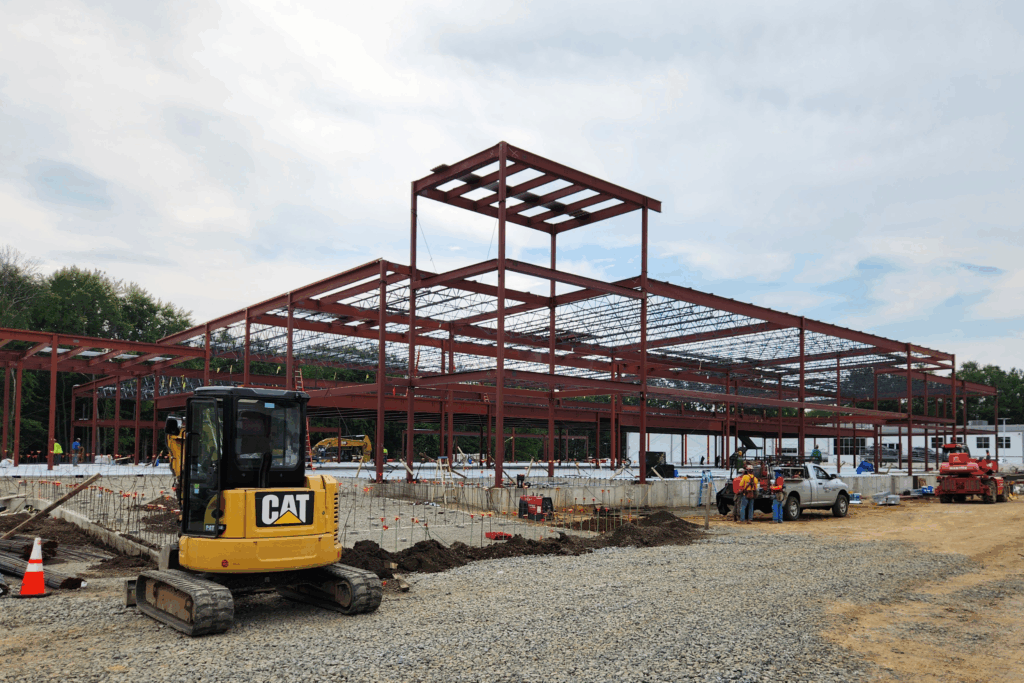
Once your priorities and budget are set, phasing the work helps bring everything to life in a practical, manageable way. Instead of tackling every upgrade at once, we can stage the work, so our spaces stay functional throughout construction, and just as importantly, you can manage your money.
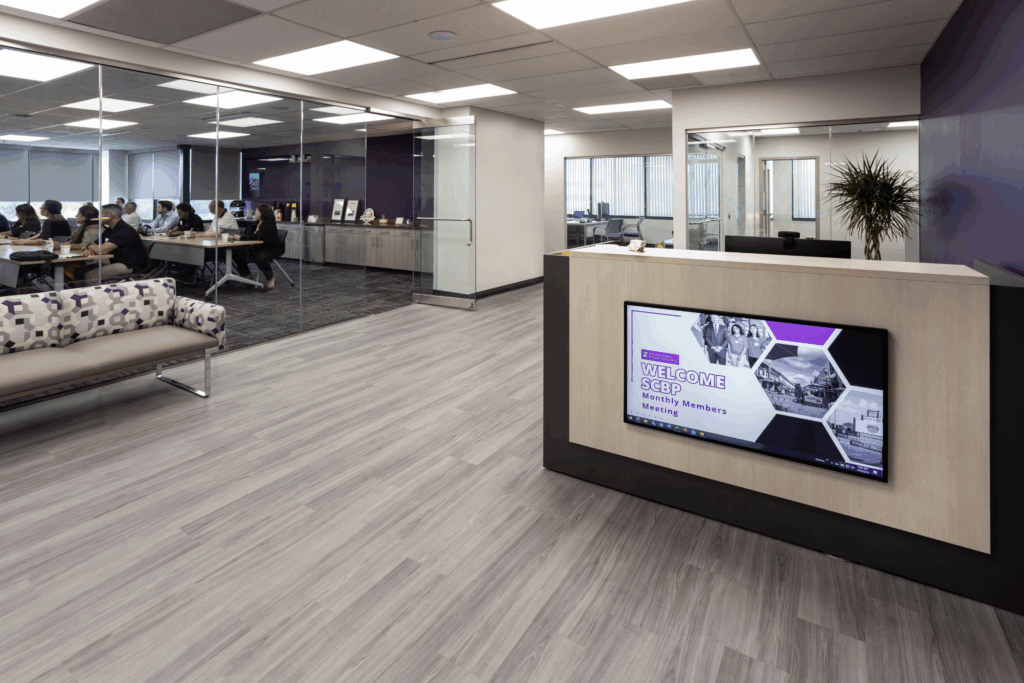
For municipalities and larger companies, this approach is especially helpful. It allows us to improve one area at a time, whether that’s offices, community spaces, or staff areas, while the rest remains in use. The goal is simple: keep things safe, minimize disruptions, and maintain day-to-day operations.
Leveraging Funds
As mentioned above, budgets aren’t fixed – they’re fluid, adjusting with the development of the project. Leveraging funding is a keyway to make that flexibility work for you. From an architectural standpoint, this means designing projects with an eye toward external funding opportunities, like grants, special programs, or phased financing that become available at different times.
By aligning project plans with potential funding sources, we can stretch every dollar further, tackle more ambitious improvements, and sometimes complete phases that might otherwise be out of reach. Essentially, it’s about designing smartly and having a long-term plan so your project can grow and you can seize opportunities as additional resources become available – without sacrificing quality or delaying essential upgrades.
In short, leveraging funding turns constraints into stepping stones, helping you maximize impact even when budgets are tight.
Invest In Today. Shape the Future.
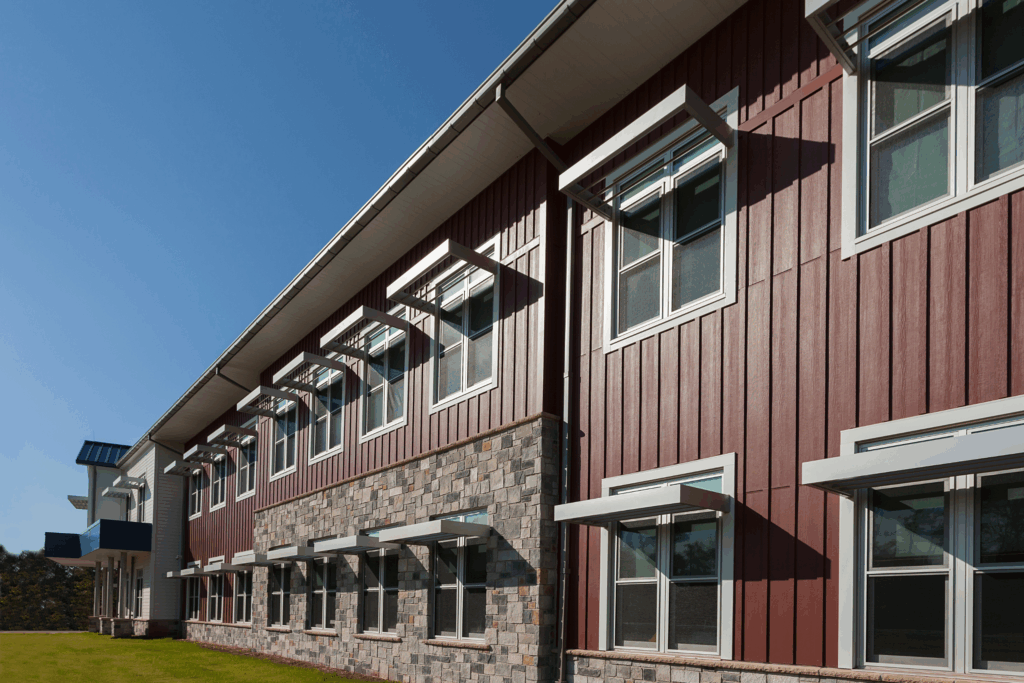
Budgeting, planning, and evaluating may not be the most glamorous part of design, but they’re absolutely essential. These steps aren’t just about buildings, they’re about investing in your community, your organization, and your people. Thoughtful planning today creates spaces that serve generations to come, from parks and infrastructure to offices and public facilities.
At SSP Architects, we partner with municipalities, schools, and commercial organizations to turn careful planning into lasting impact. Let’s work together to reimagine the future – one project, one phase, one thoughtful design at a time.