


Designing for the Future Starts with Understanding the Past
Some communities evolve without losing their identity.
Walk through downtown Somerville, Morristown, Princeton, and you can see it happening in real time. Historic storefronts sit alongside newer businesses. Buildings originally designed for one purpose continue adapting to meet modern needs. Public spaces evolve while still maintaining a strong sense of continuity, character, and connection to the people who use them every day.
As communities across the country recognize Historic Preservation Month this May – and as America approaches its 250th anniversary – conversations around preservation feel especially relevant. Not simply as a way to protect historic buildings, but as a way to preserve the stories, craftsmanship, civic identity, and sense of place that continue to shape communities over time.
Historic preservation is often viewed as looking backward. In reality, it plays an important role in how communities move forward. Thoughtful preservation allows cities and towns to evolve while still maintaining the qualities that make them recognizable, memorable, and authentic in the first place.
Historic Preservation Is About More Than Buildings
Historic preservation can sometimes get framed as protecting the past at all costs. But, the strongest places are rarely the ones frozen in time. They are the ones that continue to innovate while still holding onto the character, scale, and identity that made people connect with them in the first place.
That’s part of what makes preservation so important. It is not just about maintaining older buildings – it’s about maintaining continuity within that community. The architecture, streetscapes, materials, and public spaces that develop over decades help create a sense of place that people recognize and remember.
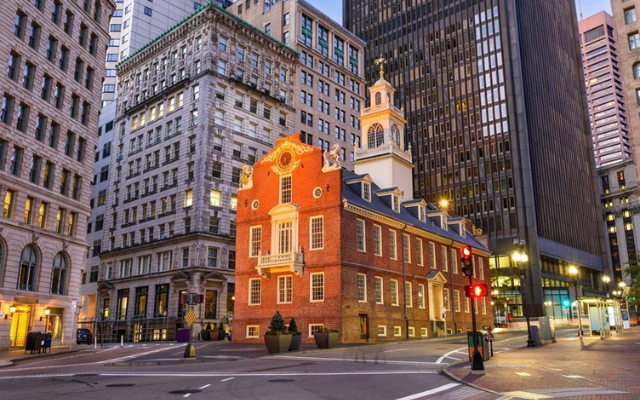
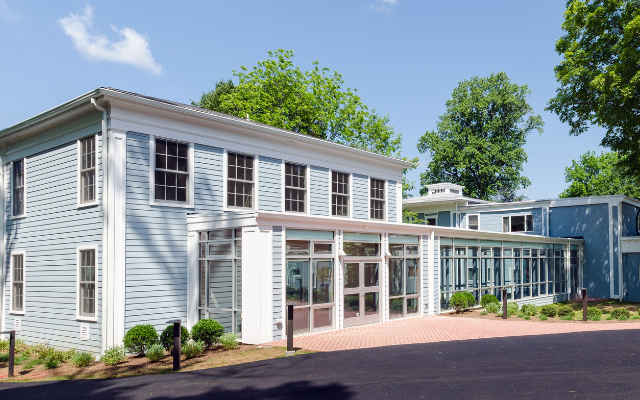
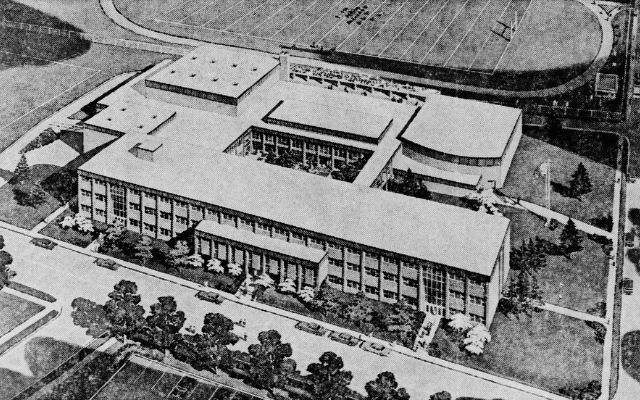
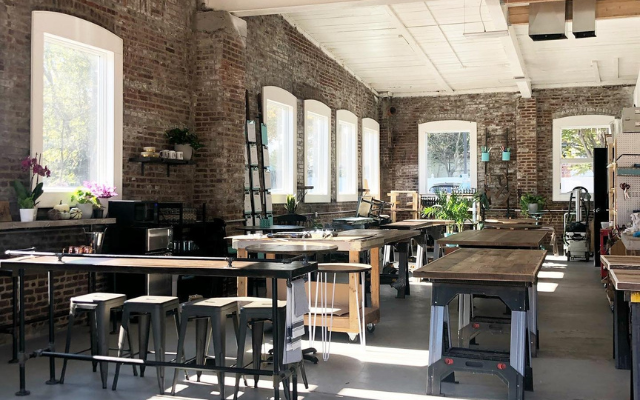
In many downtowns and neighborhoods, historic buildings continue finding new life through adaptive reuse, renovations, and reinvestment. Former industrial buildings become community spaces. Older civic and educational buildings continue serving new generations, while still carrying the stories and craftsmanship that shaped them originally.
There is also a practical side to preservation. Reusing and reinvesting in existing structures can support sustainability goals, strengthen local economies, and maintain the walkable, human-scale environments that many communities value. But beyond the practical benefits, preservation helps communities retain the character and identity that make them unique – something that becomes increasingly harder to recreate once it’s lost.
Preservation works best when it supports how communities continue evolving over time while still maintaining the qualities that people recognize, value, and connect with.
Communities Grow in Layers
No community stays exactly the same over time – and honestly, that’s part of what makes places interesting. Buildings get renovated, businesses change, public spaces evolve, and new generations shape how communities function and grow.
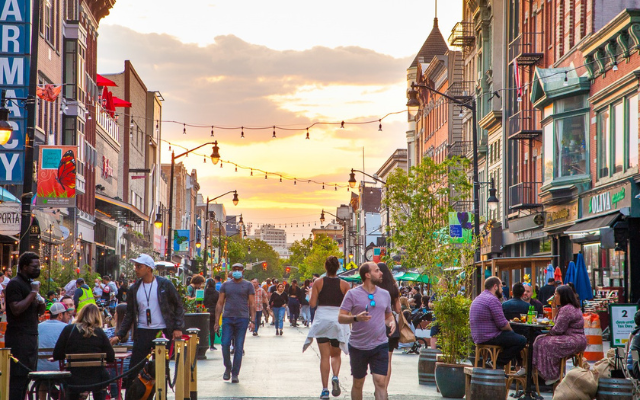
You can see that throughout towns like Somerville. Historic buildings sit next to newer development. Older storefronts continue finding new life through new businesses and updated uses. Streets and gathering spaces adapt to how people live and work today while still feeling connected to the history of the town itself.
That layering is part of what gives communities depth and personality. Some buildings reflect one era of growth, while newer spaces reflect another. Over time, communities begin telling their story through those changes — not by replacing everything that came before, but by continuing to build on top of it.
After working within New Jersey communities for generations, one thing becomes clear: the places that leave the strongest impression are rarely the ones trying to constantly reinvent themselves. They are the ones that evolve naturally over time while still holding onto the qualities that make them feel familiar, welcoming, and rooted in their history.
Preservation and Progress Are Not Opposites
One of the biggest misconceptions about historic preservation is that it slows growth or prevents communities from modernizing. That perception isn’t entirely unfounded. In some places, preservation gets used less as a planning tool and more as a wall – a way to keep an area exactly as it is and push new development out to the periphery. The result is a sharp dichotomy between a protected core and a disconnected edge, with neither side really benefiting from the other. In reality, some of the most successful communities are the ones finding ways to balance both.
Every town and city faces pressure to progress. Infrastructure needs to be upgraded. Buildings need to support new uses. Communities grow, technology changes, and expectations constantly shift. The challenge is figuring out how to move forward without losing the character and sense of place that people already value.
That balance is what keeps a community whole instead of split in two, and it’s part of what makes adaptive reuse and thoughtful redevelopment so important. Older buildings often contribute to the walkability, scale, and character that people already associate with a community. Preserving architectural details and reinvesting in existing structures can help new development feel more intentional and consistent with the surrounding environment rather than disconnected from it.
You can see this happening throughout communities across the nation, where historic downtowns continue evolving to support new businesses, housing, gathering spaces, and public investment while still maintaining the identity that makes them unique. It’s to make sure the growth still feels connected to the story of the place itself.
That is what makes preservation relevant today. It is not simply about protecting history, it’s about helping communities move forward in a way that still feels grounded, authentic, and connected to the people who experience those spaces every day.
Honoring the Past While Designing the Future
As America approaches its 250th anniversary, Historic Preservation Month offers an opportunity to reflect on the places that continue shaping communities every day.
The buildings, downtowns, public spaces, and neighborhoods communities choose to preserve become part of the story future generations inherit. They create a sense of continuity between past and present while helping communities maintain their character over time.
For SSP, that idea carries particular meaning. After 135 years of working within New Jersey communities, one thing remains clear: the places people connect with most are often the ones that continue evolving without losing the qualities that made them meaningful to begin with.
Whether through adaptive reuse, restoration, renovation, or long-term planning, thoughtful preservation helps communities move forward in a way that still feels grounded, authentic, and connected to the people who experience those spaces every day.
If your organization or community is considering the preservation or revitalization of a historic building, SSP Architects can help guide that process through thoughtful planning and design that respects both the history of the space and the future of the community around it. Contact our team today to learn how we can help preserve the character, identity, and long-term value of the places that matter most to you.