


Architects Aren’t Going Anywhere. Or Are They?
It’s everywhere.
You can’t go far without seeing its images, reading an article on how to detect its writing, or software ‘automatically’ completing your work. Artificial intelligence is everywhere right now.
And in the A/E/C world, it seems like every week there’s a new platform capable of generating floor plans, producing photorealistic renderings, analyzing building codes, or creating ‘more efficient’ design concepts in seconds. Depending on who you ask, AI is either the future of architecture or the technology that will replace it.
It’s an interesting conversation. But it may be asking the wrong question.
Instead of wondering whether AI will replace architects, perhaps we should ask something simpler: What do architects actually do?
The answer has never been as simple as designing buildings.
The Work Happens Before the Sketch
One of the first questions clients often ask is, “Do we need a new building?” Sometimes the answer is yes. But just as often, the better answer is another question.
“Why isn’t the current building meeting your needs?”
Is it a space issue? A planning issue? A circulation issue? Has the organization changed while the building stayed the same?
Those conversations can’t be generated by software. They come from understanding how people work, how students learn, and how organizations evolve over time. Sometimes the biggest breakthrough isn’t designing something new. It’s realizing you don’t have to. That’s not a design decision; it’s a planning decision.
Understanding what a building needs before deciding what to build is where a thoughtful facilities assessment can make a difference, explore how our facility assessment services help identify the challenges, opportunities, and priorities that should shape what comes next in your project.
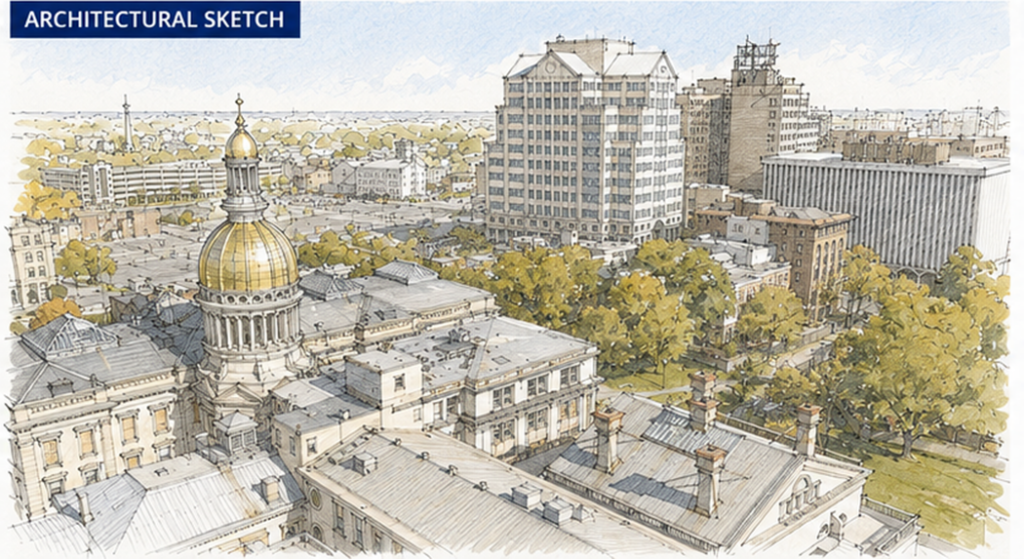
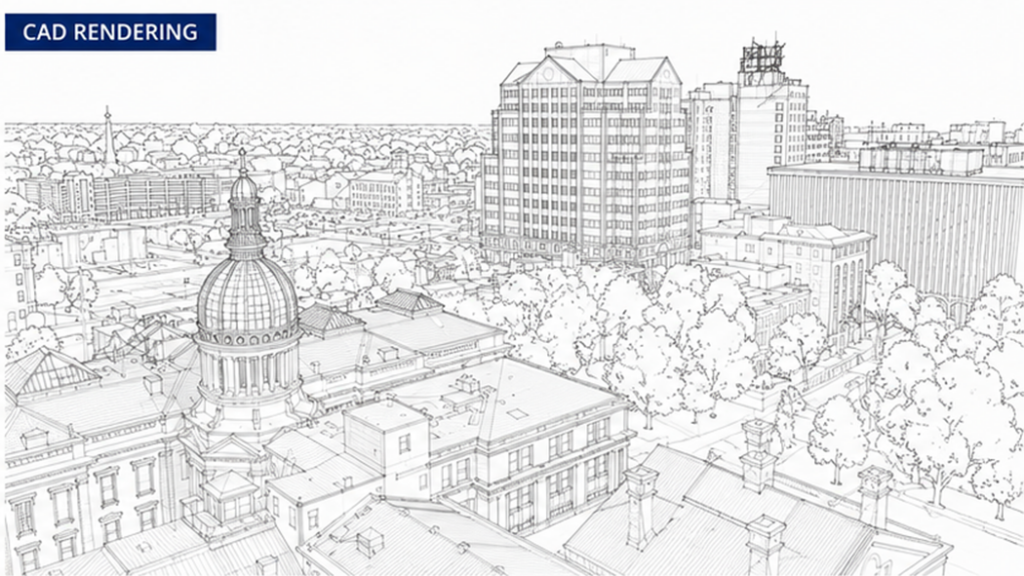
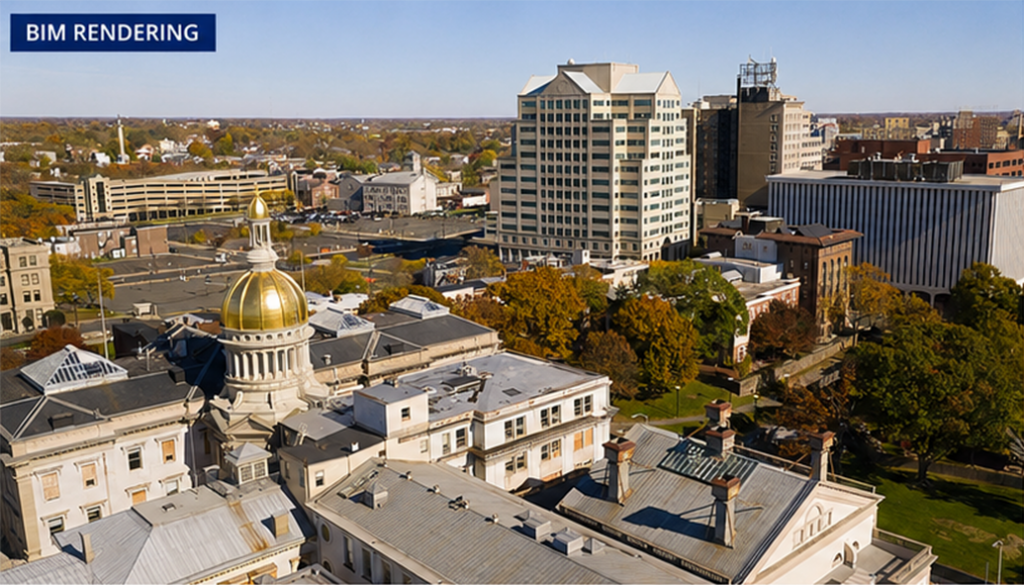
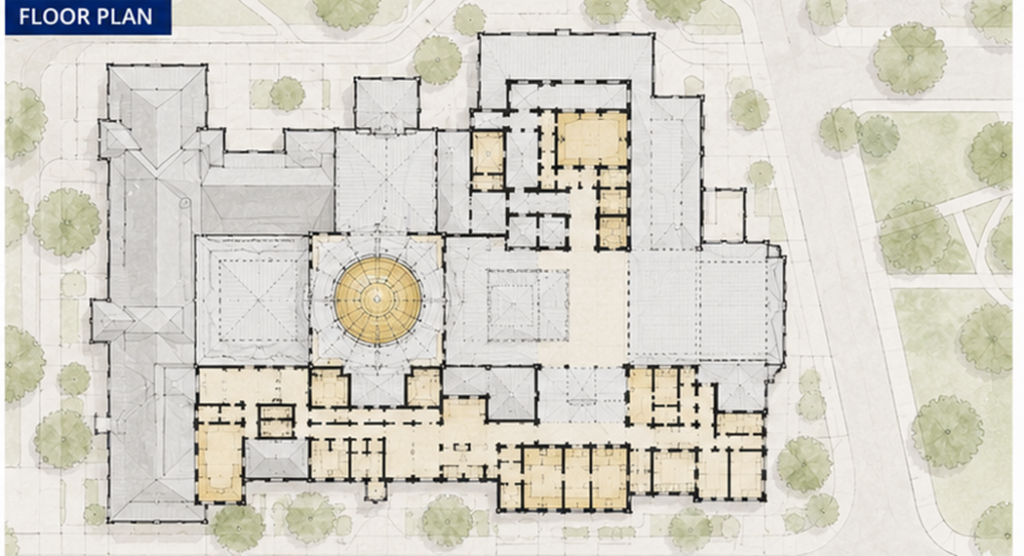
Architecture Was Never Just About the Drawings
When it is time to work on the drawings, there are different tools architects use. And they have evolved over time.
Hand drafting gave way to CAD. CAD grew into Building Information Modeling (BIM). Today’s AI tools represent another step in that progression, helping teams work more efficiently, evaluate more possibilities, and automate repetitive tasks. That’s not something to fear, it’s something to embrace.
Because drawings have never been the sole focus of the profession, they’re the result of the profession. The drawings themselves are a tool – describing the work so the contractor can execute the vision.
Long before a rendering is created or a floor plan is drawn, there’s a process of listening, learning, questioning, and understanding. That’s where the real work begins – and where the greatest value is created.
AI Can Generate Options. People Build Consensus.
Architecture has never been about finding a single perfect solution. It’s about finding the right solution for people who use it.
In public projects, that often means balancing the priorities of administration, facility teams, teachers, leaders, board members, and stakeholders. Each group brings a different perspective, different priorities, and different expectations.
AI can produce dozens of possibilities in moments. It can’t facilitate those conversations. It can’t understand the history behind a community’s decision or the reasons one option feels right, while the other doesn’t.
Most importantly, it can’t build trust.
Good projects move forward because people align around a shared vision. Around need. Around passion. Helping create that alignment has always been one of an architect’s most important responsibilities.


The Future Belongs to Architects Who Embrace AI
The conversation shouldn’t be about architects versus artificial intelligence. It should be about architects working with better tools to help explore options more thoroughly. To help owners visualize the end result better, so there are fewer surprises.
If AI can reduce the time spent on repetitive tasks, architects gain more time for the work clients value most: asking thoughtful questions, evaluating long-term impacts, collaborating with stakeholders, and helping organizations make informed decisions.
Technology has changed architecture many times before. Each advancement has allowed architects to spend less time producing information and more time applying it. This moment is no different.
So… Are Architects Going Anywhere?
AI will continue to change the architecture profession. It already is.
The drawings come together faster. Early concepts may evolve more quickly. Information may be easier to access than ever before.
They’re about people.
As long as organizations continue to adapt, communities continue to grow, and people continue to gather in the spaces around them, there will always be a need for professionals who can listen first, ask questions, and help turn ideas into places that serve generations to come.
The tools will continue to evolve. The architect’s role will evolve with them.
And perhaps, that’s the real story.
*This article was fully written by us, as humans!
This photo was not: