

The Last Room That Isn’t Trying to Sell You Anything
Public libraries didn’t trade books for something else. They kept the books – and quietly absorbed nearly every other civic role their communities lost.
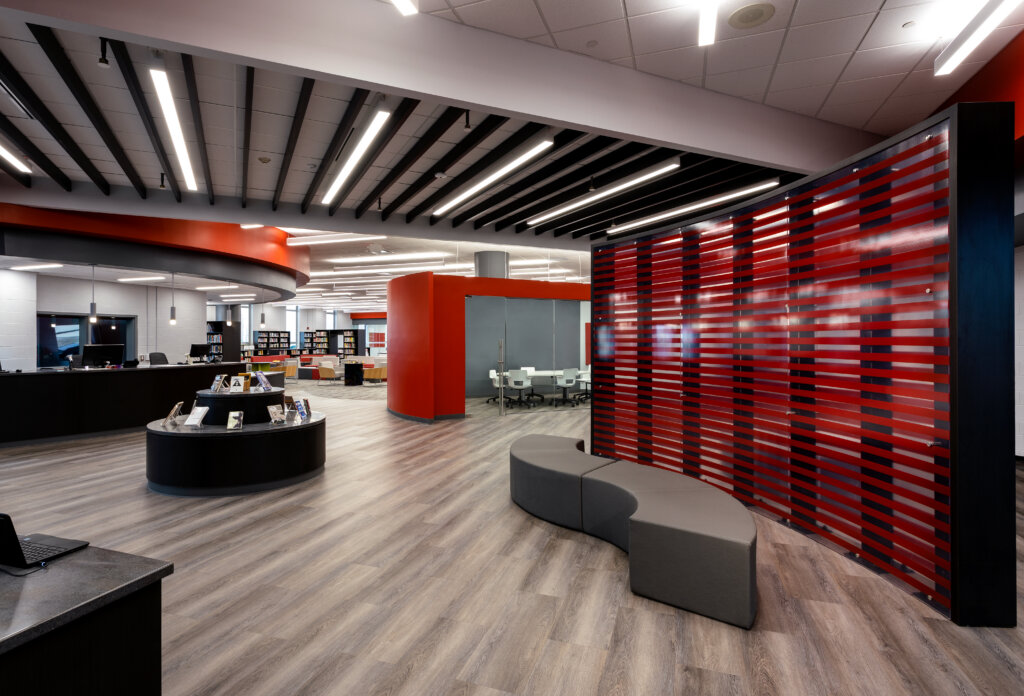
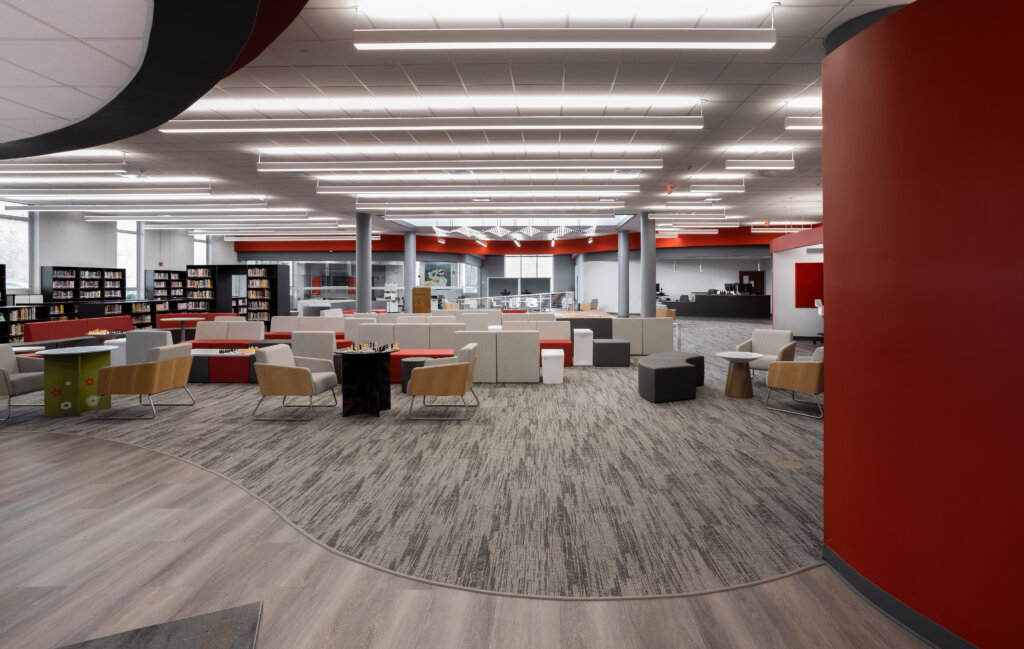
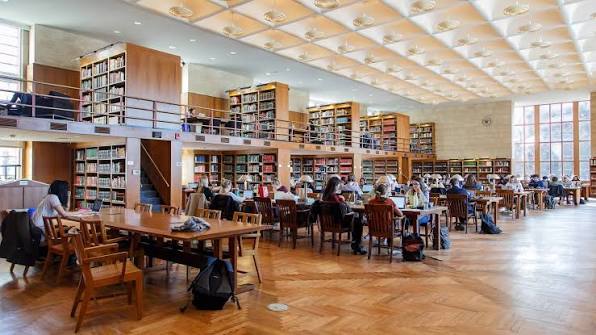
On a weekday afternoon in a well-used branch, you can stand in one spot and count a dozen different lives happening at once. A retiree three chapters into a novel. A kid sounding out words at story time. Two teenagers arguing over a 3D print that stopped halfway through. Someone at a public computer finishing an online application they can’t complete anywhere else. A job seeker (maybe in a borrowed jacket), nervously waiting for a quiet room and a video interview. An elderly couple sits in the cool air taking respite from summer heat. A pair of neighbors unfolding chairs for a committee meeting that starts at six.
Not one of them would describe what they are doing as “using the library” the same way that phrase was meant thirty years ago. Yet every one of them is there because the library is the one building in town that still lets them…be.
It’s easy to say that people have put down their screens and come back to books (yes, this is happening). Or that libraries swapped books for gadgets (this is definitely true). The buildings we, as architects, work in prove it. The reading didn’t stop; it multiplied formats. Digital borrowing has set a new record, and print still moves more volume than every program and public terminal combined. The boards we sit across have not asked us to design the books away. What changed isn’t the books. It’s everything that gathered around them.
Look at what disappeared over the same time. Malls closed. Cafes keep an eye on your time in the shop or pressure a purchase. The places a person used to go simply to be somewhere, without a transaction attached, quietly evaporated. The library didn’t set out to replace them. It inherited the role by default – by being the last public interior space left where nobody is charging you rent by the minute or trying to sell you something.
That’s not a small thing. It may be the most valuable thing a town owns: a room that belongs to everyone, offers so much, asks nothing, and stays open.
For those of us who design these buildings, this shift rewrites the problem entirely. A generation ago, the question was ‘what’s in the collection, and how do we shelve it?’ Today, that’s relatively easy to answer. The real matter in front of us is this: how do a dozen seemingly incompatible lives share one room, on a real budget, in a building that has to outlast every program inside it?
Silent study sits fifteen feet away from a loud, engaging makerspace. Toddler story time runs while a social worker holds a private conversation two doors down. A public meeting fills the community room while the stacks stay calm. None of that is solved by shelving decisions. It’s solved by acoustics, sightlines, and the discipline to zone a plan so that incompatible uses never have to apologize to each other. Get it right and no one notices — which is exactly the point. Get it wrong and the whole building feels like a compromise.
Lessons a Century in the Making
There’s a longer view here that we keep coming back to, and it starts more than a century ago.
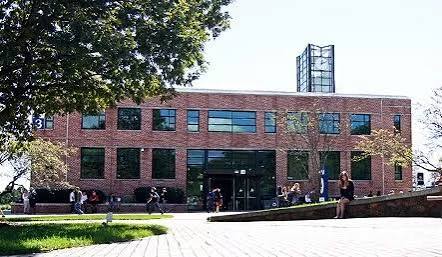
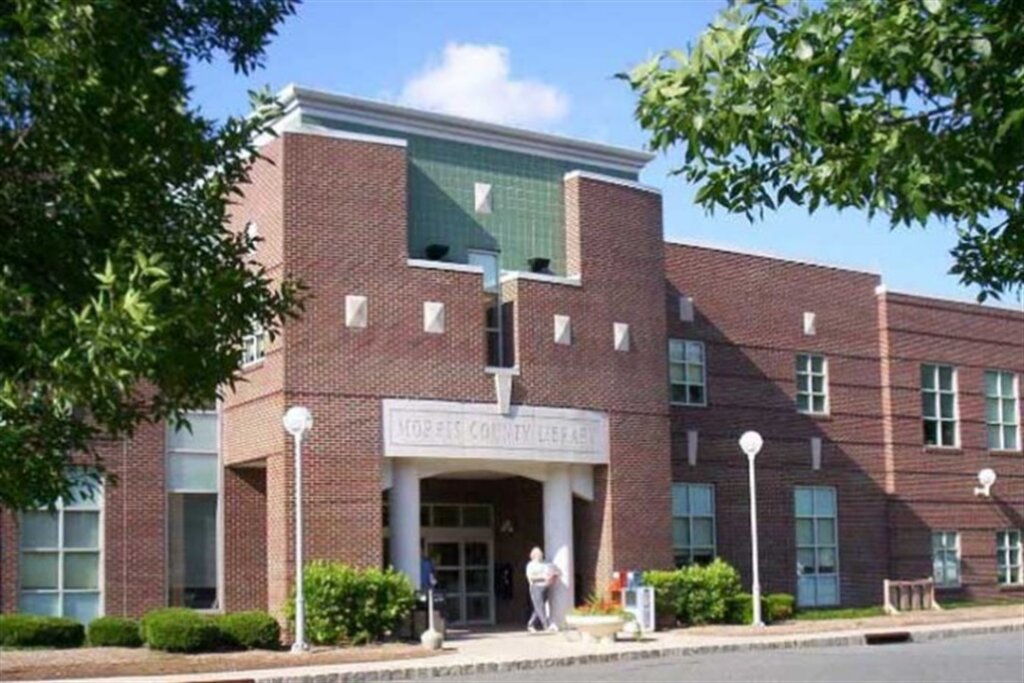
Andrew Carnegie funded roughly sixteen hundred public libraries across the country. They were built to a pattern. Repeatable patterns, a modest and disciplined budget, a prominent stair meant to signal that learning was worth the climb, and an open main floor a single librarian could supervise from a desk. It was, in the most literal sense, a manifestation of our core principles – a practical, yet beautiful civic building on a real budget with drawings that could be built. And here’s what stops most architects: those buildings still read as dignified a hundred years later. They were designed with so much intention that generations of librarians have reinvented the program inside them – from card catalog to computer lab to makerspace – without touching the bones.
That’s the whole lesson, and it’s one we carry into the libraries and public buildings we take on now. You are not designing for today’s program, because today’s program will turn over twice before the building is paid off. You’re designing the bones, so the next library director can re-envision the place without going back to the voters. A Carnegie library did that a century ago with a fraction of the technology and none of the certainty about what came next.
Getting There
The best libraries aren’t the ones with the most technology or the most creative shelving. They’re the ones the town votes to fund because they quietly do the work that no one wrote into the program. They are the ones they are proud to bring visitors to.
Getting there isn’t about chasing the trend of the moment. It’s about addressing the right problem, an honest budget, and a design with drawings that build something worth keeping for the next hundred years.
That’s the assignment. It always was. There are just more lives in the room now.