


Good Buildings Don’t End At Design
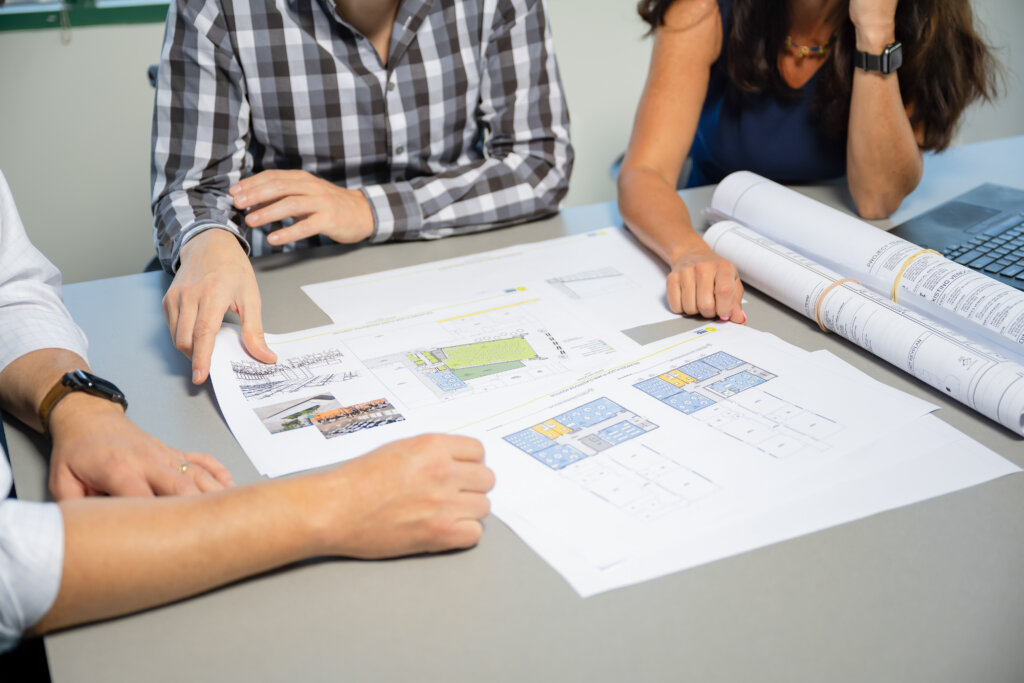
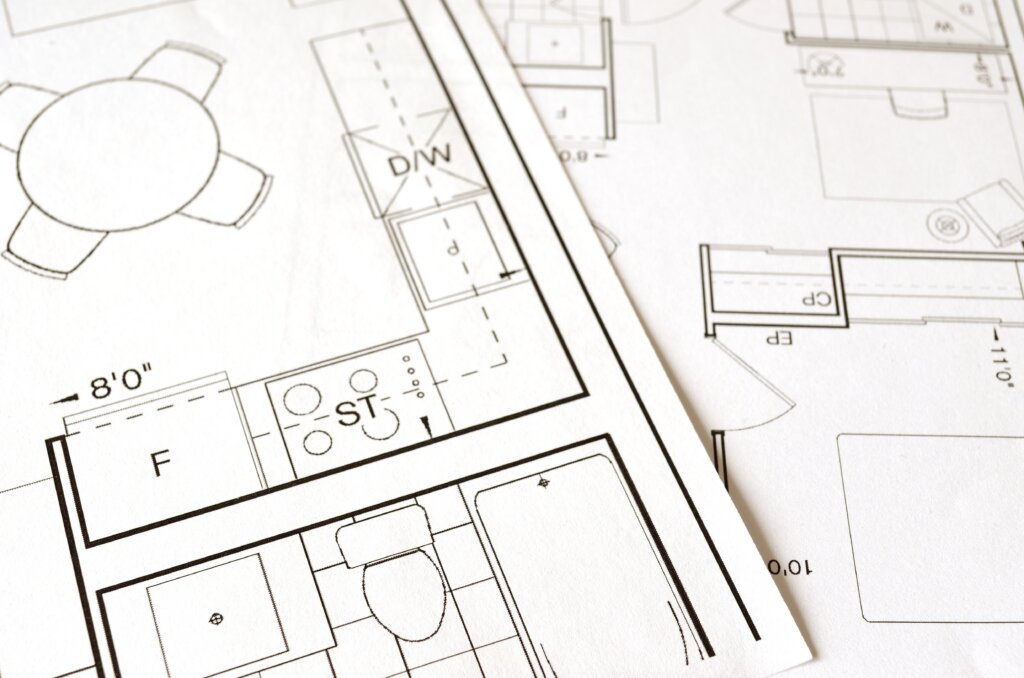
When people think about architects, they picture sketches, renderings, and floor plans. It can even conjure the image of bowties or turtlenecks. Once the drawings are complete and crews arrive on site, it can look like the architect’s job is done and the project simply moves into construction.
But in reality, some of the most valuable work is still ahead.
Design is where a project takes shape, and it carries enormous weight. A single set of drawings holds hundreds of decisions: how a building is laid out, what it’s made of, how it gets built, what it will cost, and how long it will take to build. Those decisions determine whether a project stays on budget, whether it can be built as drawn, and whether the schedule holds. Good design isn’t a formality. It’s the work that makes everything from that point after possible.
But a complete set of drawings is still not a finished building.
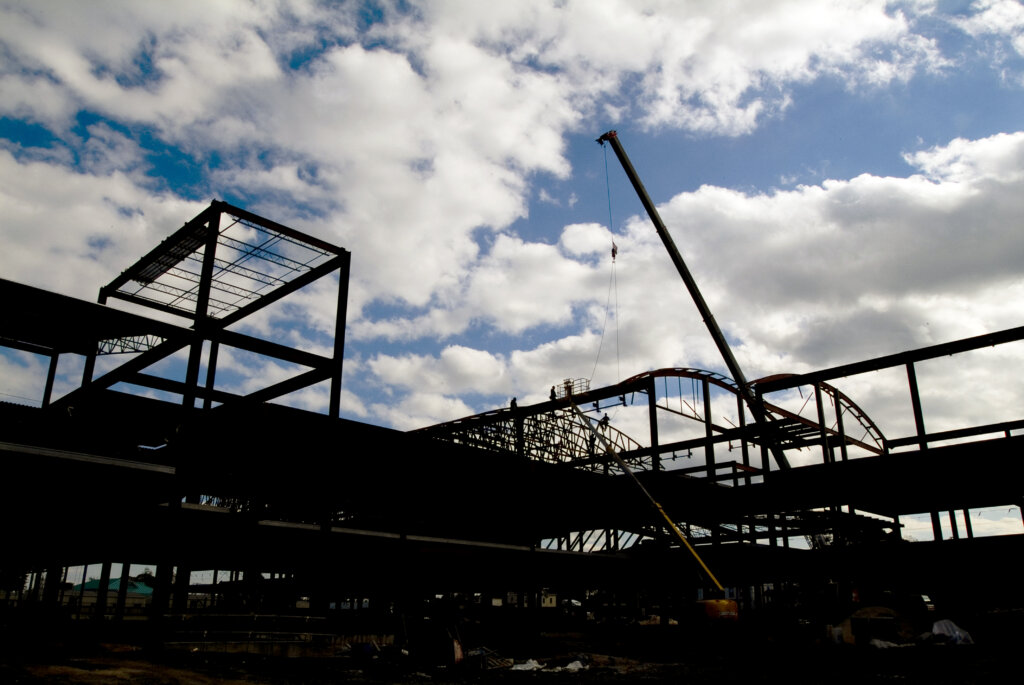
Drawings describe intent. Construction turns that intent into something real, on a specific site, with specific materials and conditions. The space between the two is exactly where an architect needs to stay present.
The Drawings Are Not The Building
Drawings capture the best understanding of a project at a specific moment in time. They reflect the goals, the requirements, the constraints, and every decision made along the way. What they can’t do is account for every variable that shows up once the work begins. That isn’t a knock on design or due diligence. It’s the nature of design and construction.
A long-lead item that was available at design gets discontinued or back-ordered. An owner’s priorities shift as funding, enrollment, or even leadership changes. In renovation work, buildings carry decades of undocumented modifications. A thorough investigation gets you most of the way there, but no non-destructive survey can see behind every wall until it’s opened.
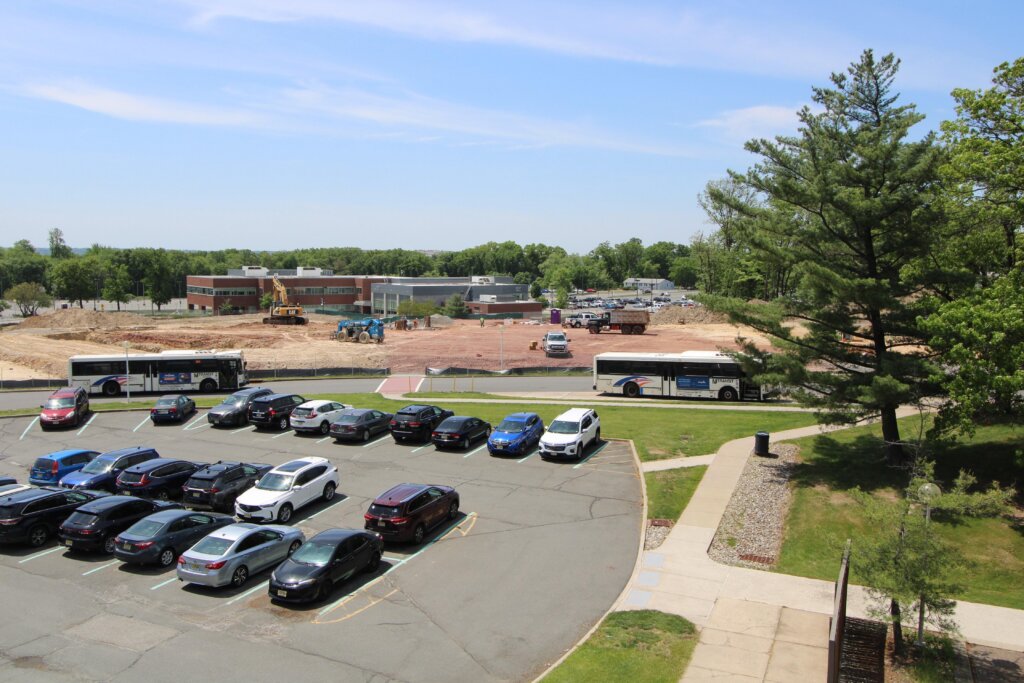
Much of our work also happens around live operations. Schools stay in session. Healthcare facilities keep treating patients. Municipal buildings keep serving the public. That adds constraints no drawing can fully predict, and it means decisions in the field carry consequences beyond the job site.
So the question on any project isn’t whether adjustments will come up. They will. The question is who’s going to be there to handle them, and whether that person understands what the design was trying to accomplish.
What Does Construction Administration Actually Do?
When SSP stays on through construction, our role is specific. We review submittals and shop drawings to confirm they match the design intent. We respond to the contractor’s questions, the RFI’s, and we respond quickly, because a question left hanging stalls the job and can cost everyone money. We observe the work in the field and report what we see to the owner.
Notice what is NOT on that list.
We don’t run construction. We don’t direct the contractor’s crews, sequencing, or methods. That work belongs to the contractor, and good ones do it well. Our job is to observe, to represent the owner’s interests, and to be the impartial reference point when there’s a question about what the documents require.
Those activities don’t sit apart from the design. They are how the design, and the owner’s intent, is protected. Every submittal review, every RFI answer, every site visit is a chance to keep the building that gets built aligned with the building that was designed.
Every project starts with a reason behind it. A district wants students to move through a building more safely. A town needs to address non-compliant police facilities. A college wants labs that flex with teaching styles. That purpose is easy to hold onto at design. It gets harder to hold onto fourteen months in, when the schedule is tight, a budget line item is under pressure, and a dozen decisions need answers this week.
That’s the moment our involvement matters most.
When a condition changes, our construction administration services help the owner see how each option affects the original goals, not just a week in the schedule. When a substitution is proposed, we check if it actually delivers on what the design needs. The pressure during construction always runs toward the fastest, the cheapest answer in front of you. Our job is to keep the long-term purpose in view while those decisions get made.
Integrity When Things Don’t Go to Plan
Staying involved is one thing. Staying involved when a problem surfaces is what actually counts. The easy move when something doesn’t go to plan is to get defensive or look for someone else to blame. We’d rather stay engaged, own what’s ours, and work the problem until it’s solved.
A prompt, straight answer matters more in month one. By then, the contractor is moving fast, the owner is fielding questions from a board or a community, and a slow response from the architect can hold up an entire trade. Fast, clear answers are part of the job, not a courtesy. That’s what staying involved through construction looks like in practice.
Related Reading: My Construction Project is in Trouble- Now What (Part 1)

We Will Get You There
Our tagline is “We Will Get You There”, and we mean it. Literally. Getting you there means staying involved from the first conversation through the final inspection. Not handing over the drawings and walking away.
After working alongside schools, municipalities, healthcare systems, higher education institutions, and communities throughout New Jersey for generations, one thing remains clear: the most successful projects aren’t the ones that never hit a snag. They’re the ones where the team stays focused on the purpose behind the work – all the way to the end.
Good buildings don’t end at design. They’re carried through construction, and that’s where we stay with you.
Planning a project?
If you want a partner who stays involved from design through final inspection, let’s talk:
- See how we handle construction administration
- Explore our full range of services
- Start a conversation with our New Jersey team of architects today.