

Ground Broken on New Elementary and Intermediate Schools in Trenton
By SSP Architects
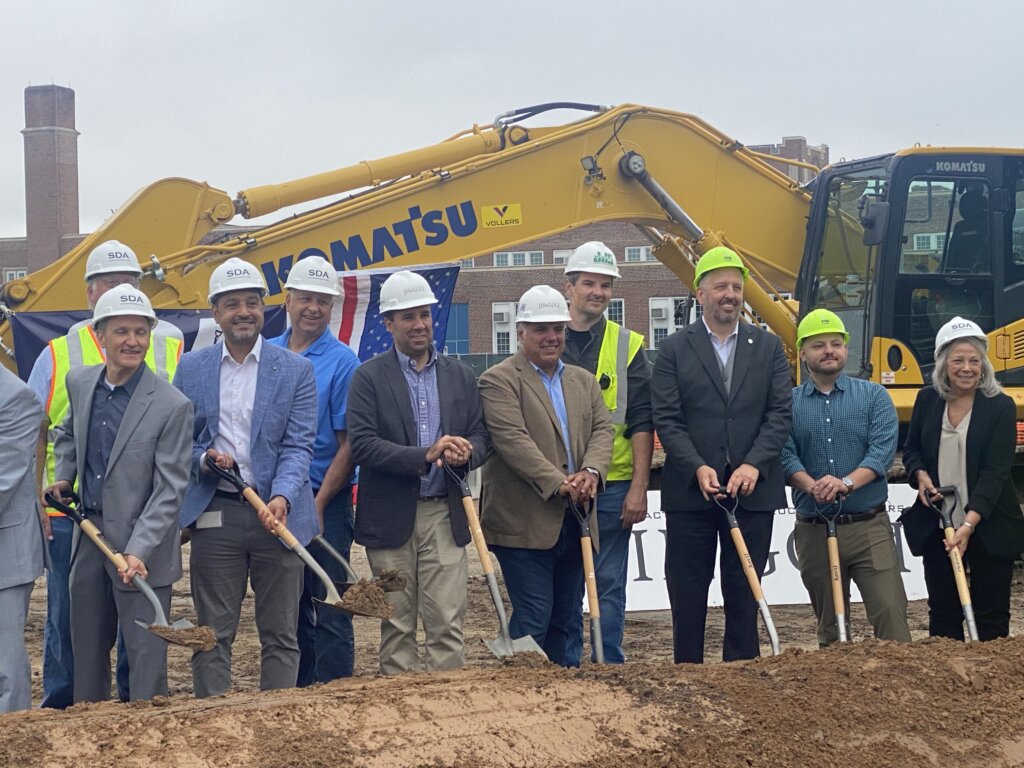
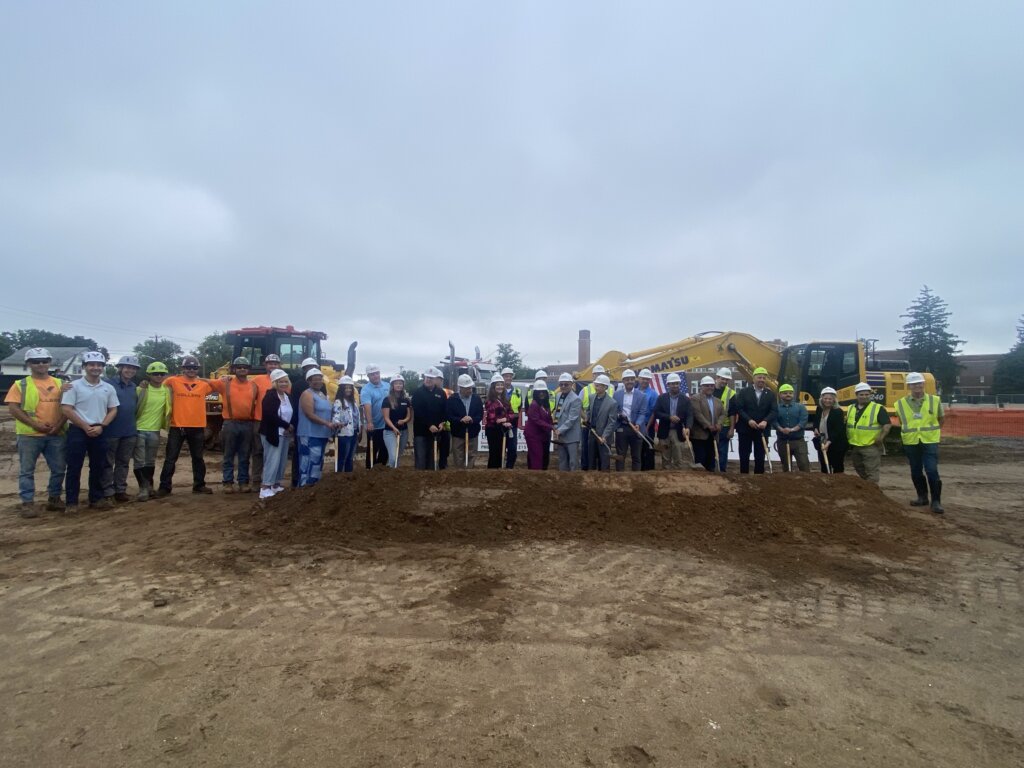
Construction officially began last week on the new Betty V. Coles Elementary School and Miguel A. Hernandez Intermediate School, marking an important milestone in the continued investment in educational facilities across the City of Trenton.
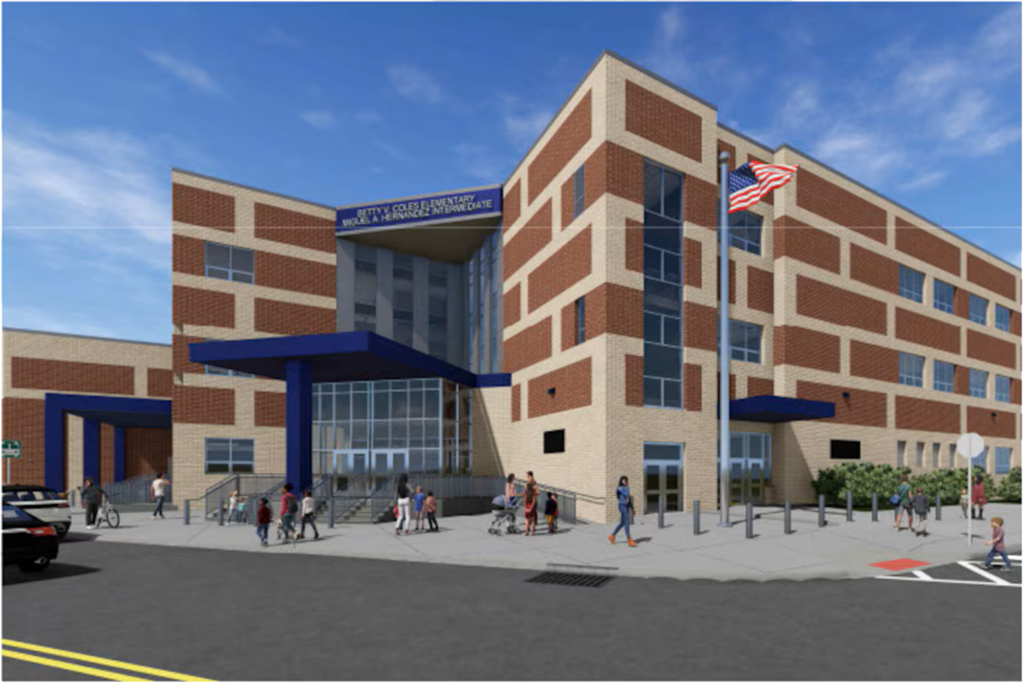
SSP Architects is serving as the Design-Build Architect for the approximately 124,000-square-foot facility, which will replace the existing school with a modern learning environment designed to serve up to 837 students. The project will bring two schools together under one roof while providing flexible learning spaces, shared resources, and an environment designed to support today’s educational needs and adapt to those of the future.
Designed to achieve LEED certification, the new facility reflects a commitment to sustainability, energy efficiency, and long-term performance – creating a healthier, more resilient environment for students, educators, and the broader school community.
While groundbreaking ceremonies celebrate the start of construction, they also recognize something much larger. Every new school represents years of planning, collaboration, and a shared commitment to creating opportunities for future generations.
This project carries an added significance through its namesakes. Betty V. Coles Elementary School and Miguel A. Hernandez Intermediate School honor two educators whose dedication to students and public education left a lasting impact on the Trenton community. As construction moves forward, the new facility will continue that legacy by creating spaces where students can learn, collaborate, and grow for decades to come.
Behind every educational facility is a simple question: How can this building better support the people who use it every day? From the earliest planning discussions through design and construction, that question has guided the development of a school that is intended to be as adaptable as it is functional. Flexible instructional spaces, collaborative learning environments, and sustainable building strategies work together to create a facility designed around the evolving needs of students, educators, and the community.
Projects like this remind us that investing in education is about more than replacing aging buildings. It’s about creating environments that strengthen communities, support learning, and provide opportunities for generations to come.
To learn more about this project, click here.